So everyone has heard of sushi, ramen, tempura, tonkatsu, and of course, the ever-popular (and increasingly expensive) Kobe beef.
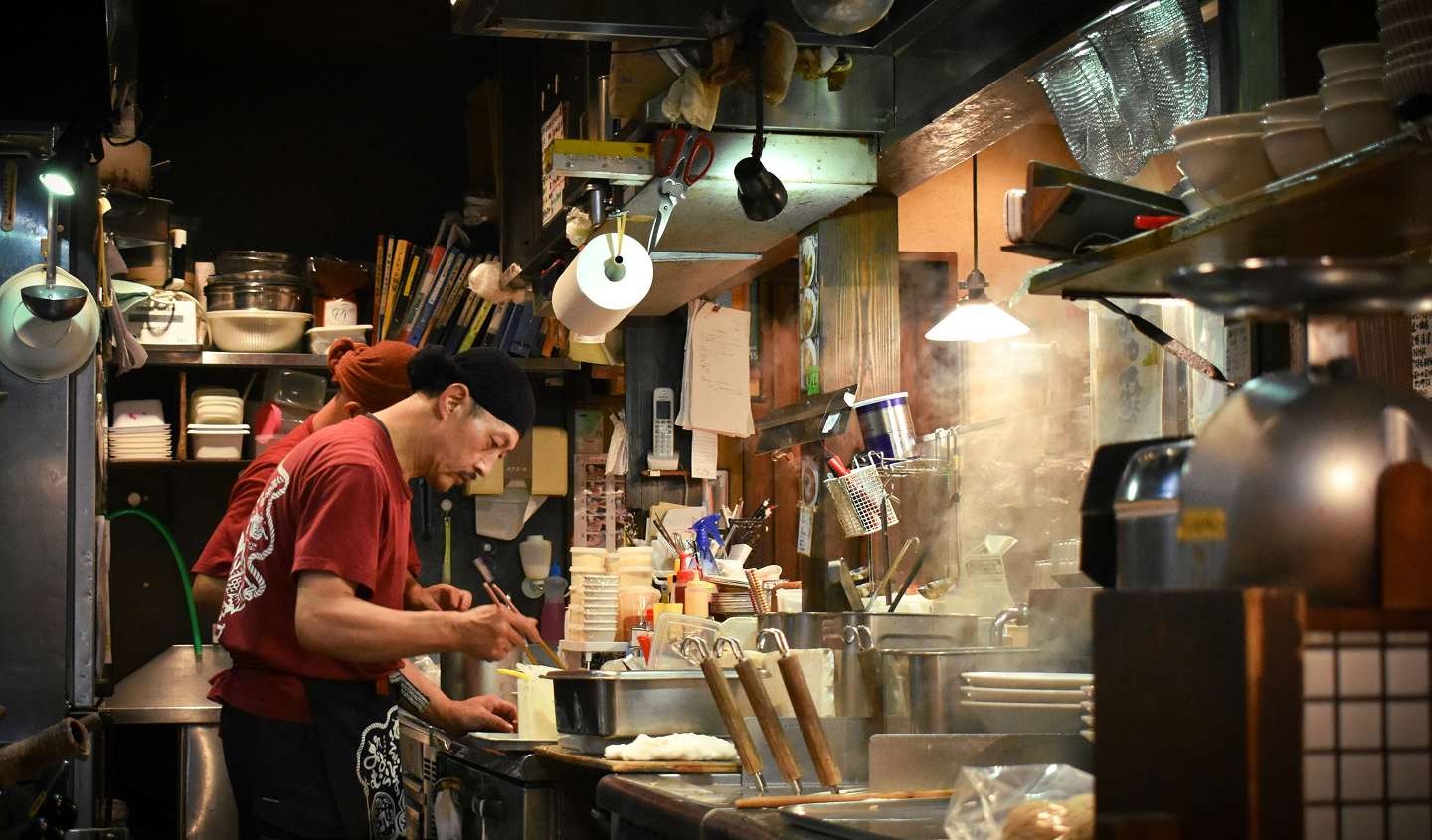
But what about the dishes you don’t hear about? The ones found at street vendors, train stations, convenience stores or small, hole-in-the-wall kitchens. The flavors that don’t always make it into guidebooks, aren’t labeled Michelin-starred and aren’t featured on the Food Network but are worth the journey on their own.
That, my friends, is the real question.
So get ready to slip into your favorite travel-day look because we’re off on a journey through Japan, just be sure to bring your appetite, because there’s plenty to savor along the way.
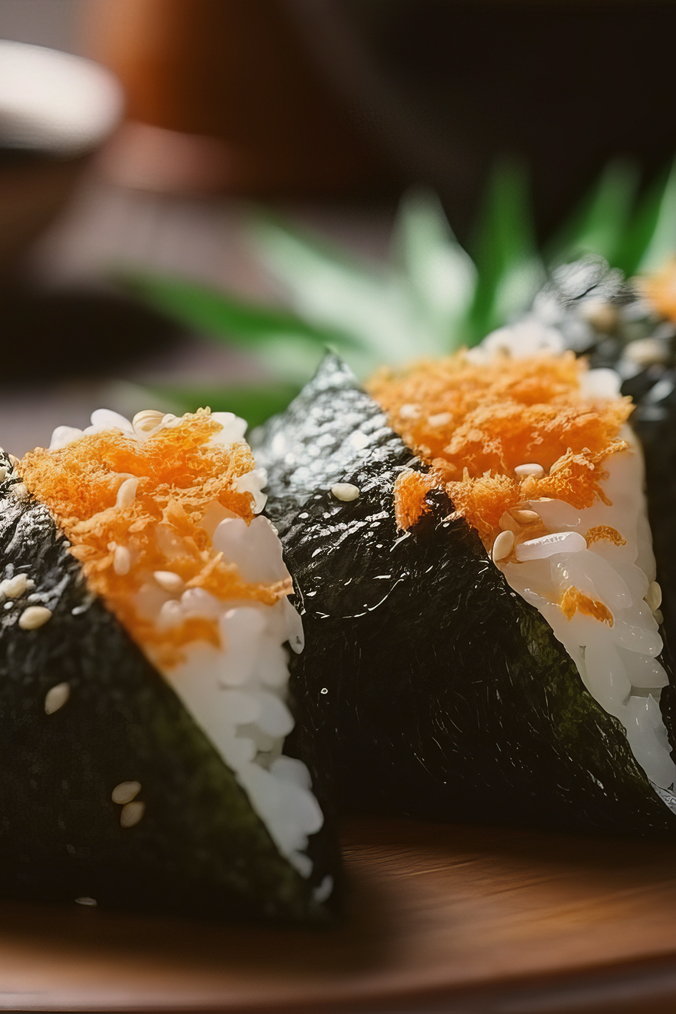
ONIGIRI (おにぎり)
WHAT IS IT?
Rice balls made from steamed white rice, typically shaped into triangles or cylinders and wrapped in nori (seaweed). Fillings vary, but popular options include salted grilled salmon, pickled plum (umeboshi), tuna mixed with Japanese mayonnaise, or simmered seaweed.
HOW DO YOU EAT THEM?
Onigiri are designed to be eaten by hand and are a common grab-and-go snack found in convenience stores, train stations, and markets across Japan.
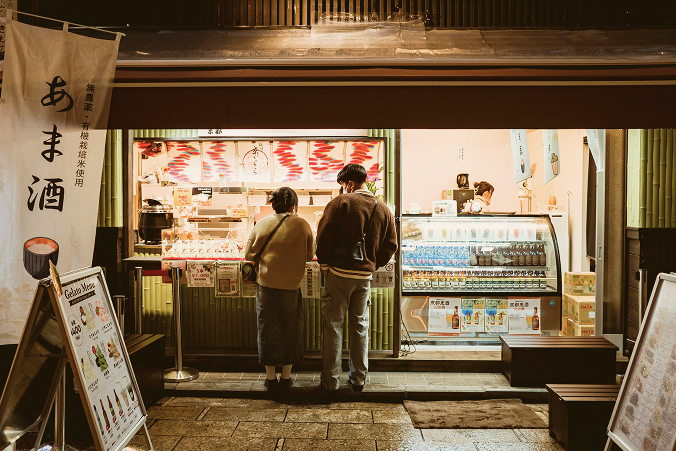
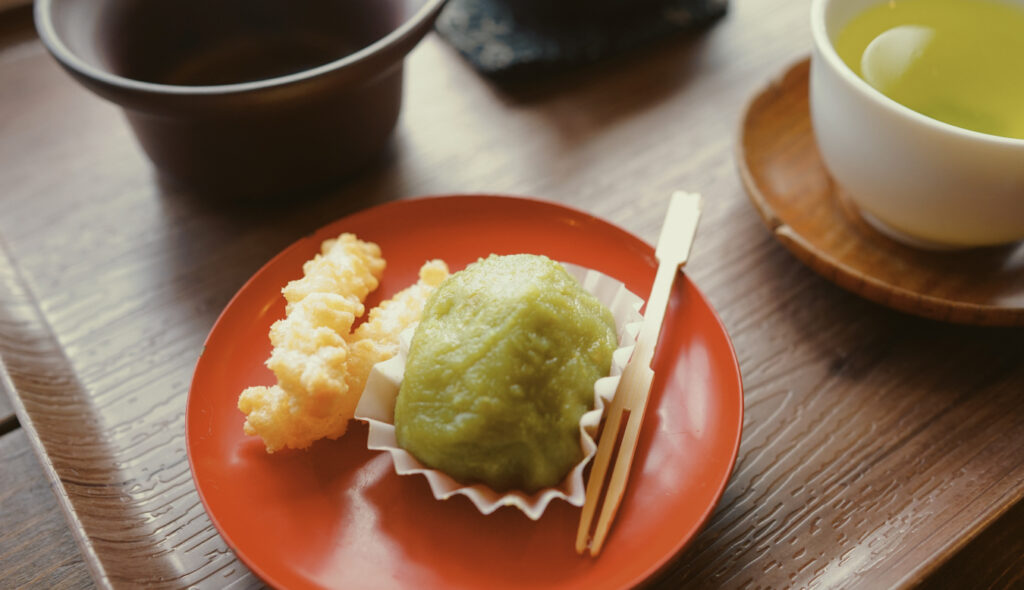
Zunda (ずんだ)
What is it?
Zunda is a regional specialty made from mashed edamame. The beans are boiled, then lightly crushed and mixed with sugar and a pinch of salt to create a paste that’s both sweet and slightly savory.
How do you eat them?
Zunda is traditionally served over mochi (rice cakes), but you can also find it used in desserts like ice cream, milkshakes, and pastries.
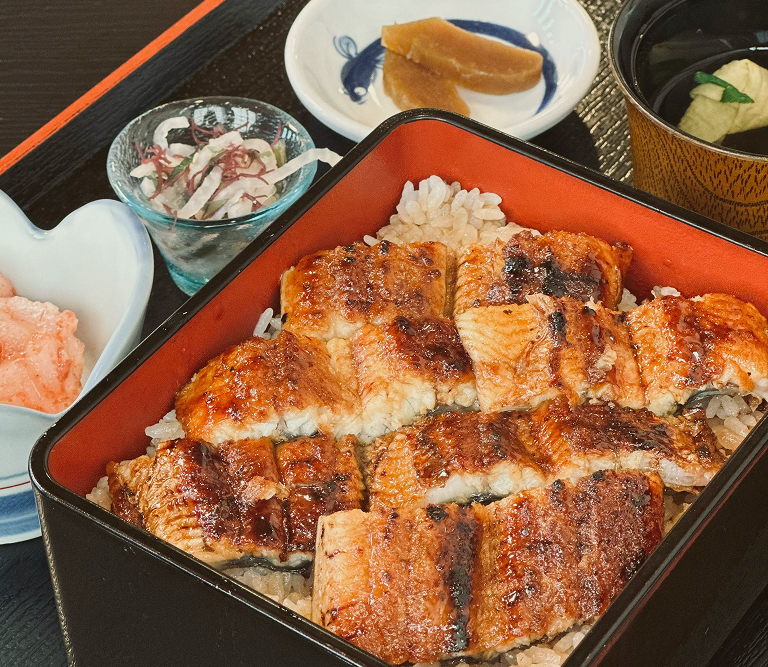
Hitsumabushi (ひつまぶし)
What is it?
A specialty created in the city of Nagoya. Hitsumabushi is centered around grilled eel (unagi) served over rice.
HOW IS IT EATEN?
Hitsumabushi is typically divided into portions. Your first taste is meant to be enjoyed as-is with subsequent tastings meant to be enjoyed with added condiments like wasabi and green onion, and finally with hot dashi broth poured over to create a soup-like dish known as ochazuke.
Tsukemen (つけ麺)
What is it?
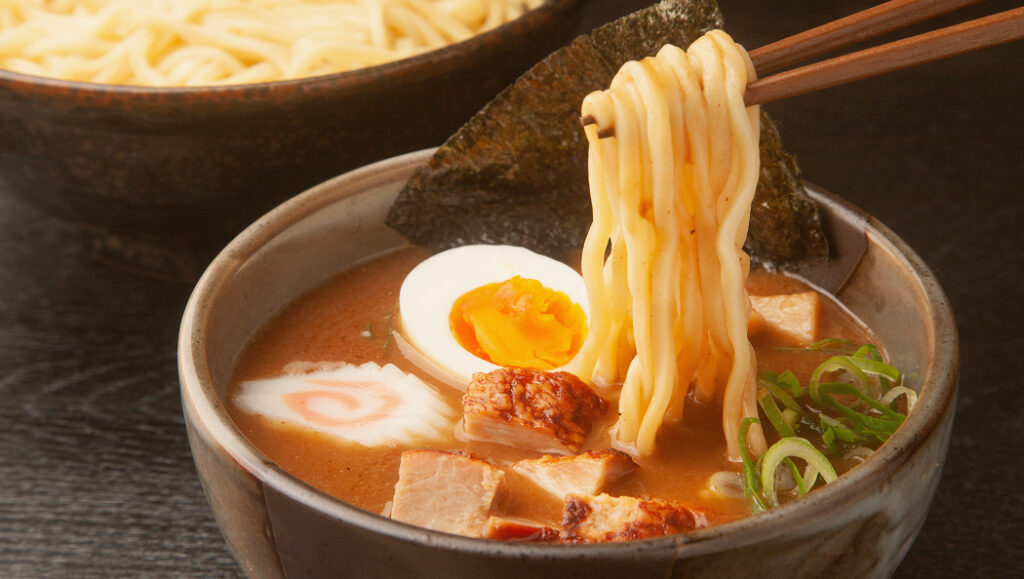
Tsukemen is a noodle dish served cold or at room temperature.
How do you eat them?
Tsukemen is served with a side of broth that is much more concentrated than typical ramen and served on the side for dipping. This allows for a stronger, richer flavor with each bite.
Okonomiyaki (お好み焼き)
What is it?
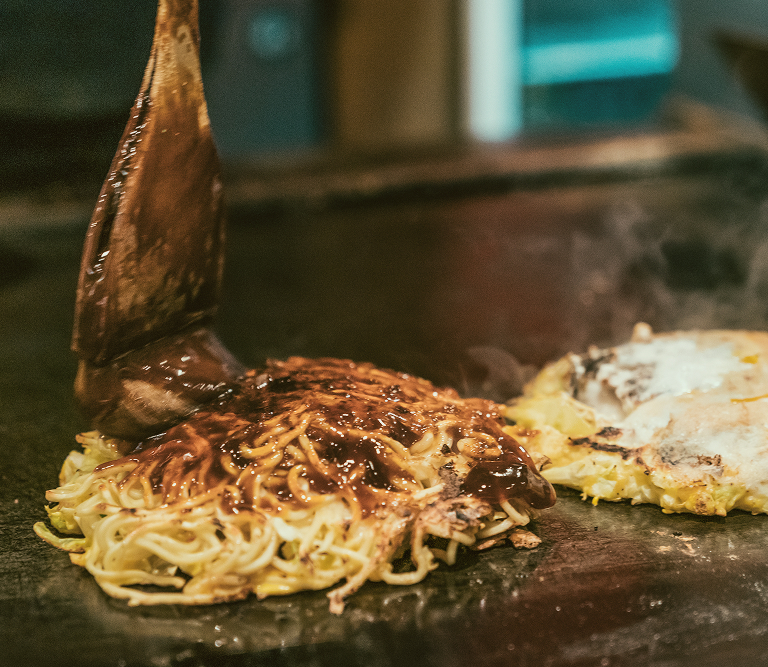
Okonomiyaki is a savory pancake made from a batter of flour, egg, and shredded cabbage, mixed with ingredients like pork belly, seafood, or vegetables. It’s cooked on a griddle and topped with a sweet-savory sauce, Japanese mayonnaise, dried bonito flakes, and seaweed powder. How do you eat them?
How do you eat it?
In some regions of Japan, it’s prepared at the table and eaten straight from the grill. In Osaka, everything is mixed into a savory pancake. However, in Hiroshima, Okonomiyaki is layered and often includes noodles, with foodies noting that the two versions feel like two completely different dishes.
Takoyaki (たこ焼き)
What is it?
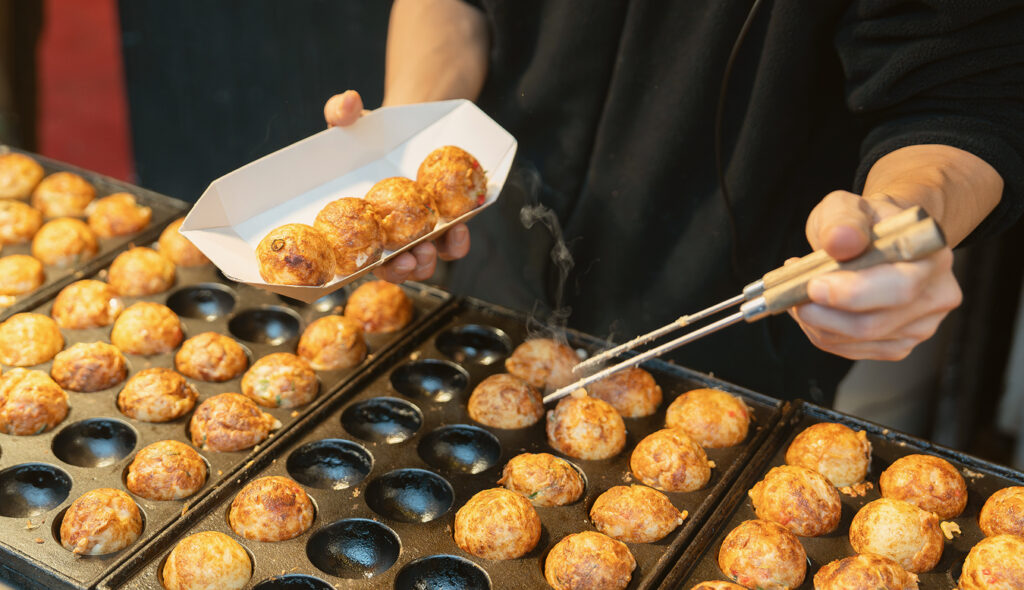
Takoyaki consists of small, round balls of batter filled with diced octopus, pickled ginger, green onion, and tempura scraps.
How do you eat them?
They’re cooked in a special molded pan, turned continuously to achieve their shape, and typically topped with sauce, mayonnaise, bonito flakes, and seaweed before being eaten hot.
These are just a few of Japan’s dishes worth exploring, truthfully there are thousands out there, waiting for you with an open mouth and an empty stomach.
Every region, every city in Japan tells its story through food. Seek out what’s local to where you are because what you taste in one place might not be replicated the same way in another.
Even the most familiar dishes reveal surprising depth. Ramen, soba, udon, each of these dishes carries its own regional identity, its own nuance, much like barbecue sauce across the United States. Travel between cities, and you’ll find entirely different expressions of the same dish.
And while Kobe beef often takes center stage, it’s only part of a much richer picture. Regions like Kagoshima, Matsusaka, and Omi each produce exceptional beef with their own distinct character and same with pork and chicken.
So, grab a guidebook, learn a few Japanese phrases and take to the streets on Tokyo, Kyoto & The Seto Inland Sea because the more you look, the more Japan reveals itself.
One dish at a time.