Tokyo pulls you in at full speed with its neon reflections, packed train platforms and ramen counters still humming with life well past midnight, while Kyoto carries its history more quietly through incense-filled temple courtyards and narrow streets where centuries-old traditions still shape daily life. Osaka moves with a rhythm entirely its own too, vibrant, electric, and expressively alive.
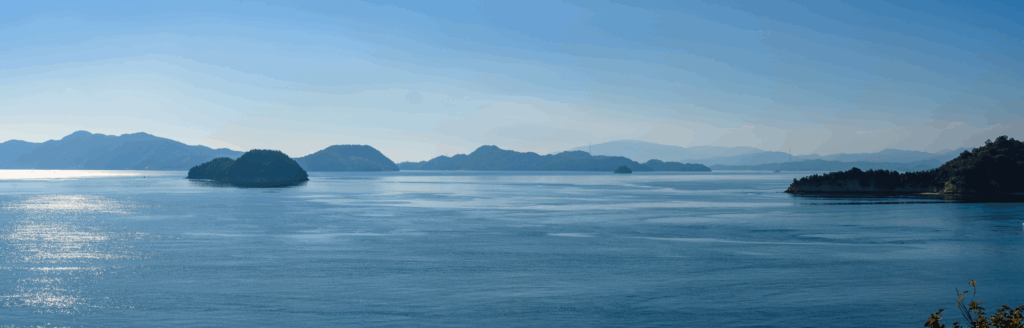
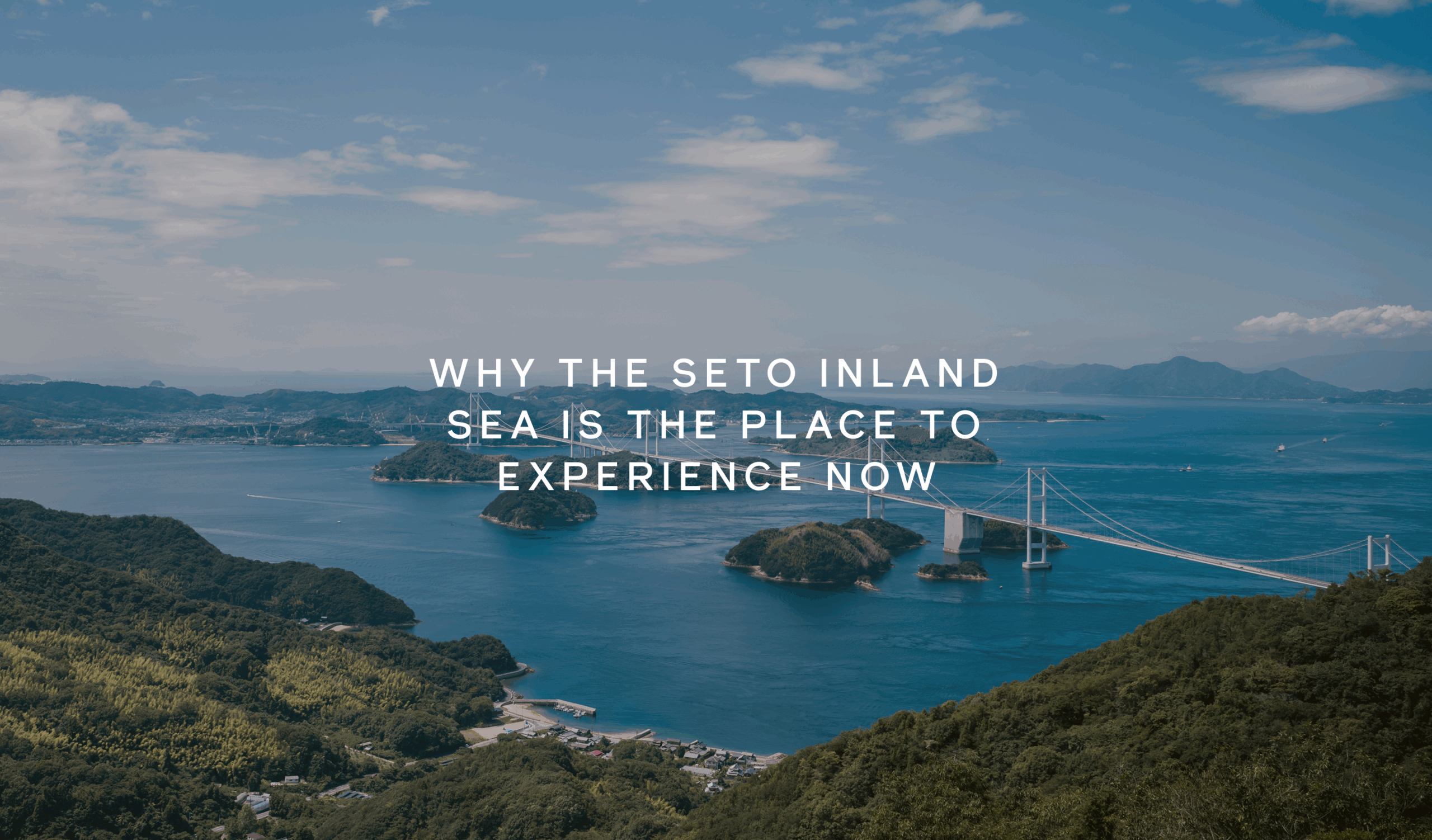
And then there’s the Seto Inland Sea, where everything seems to exhale. The way island life tends to do.
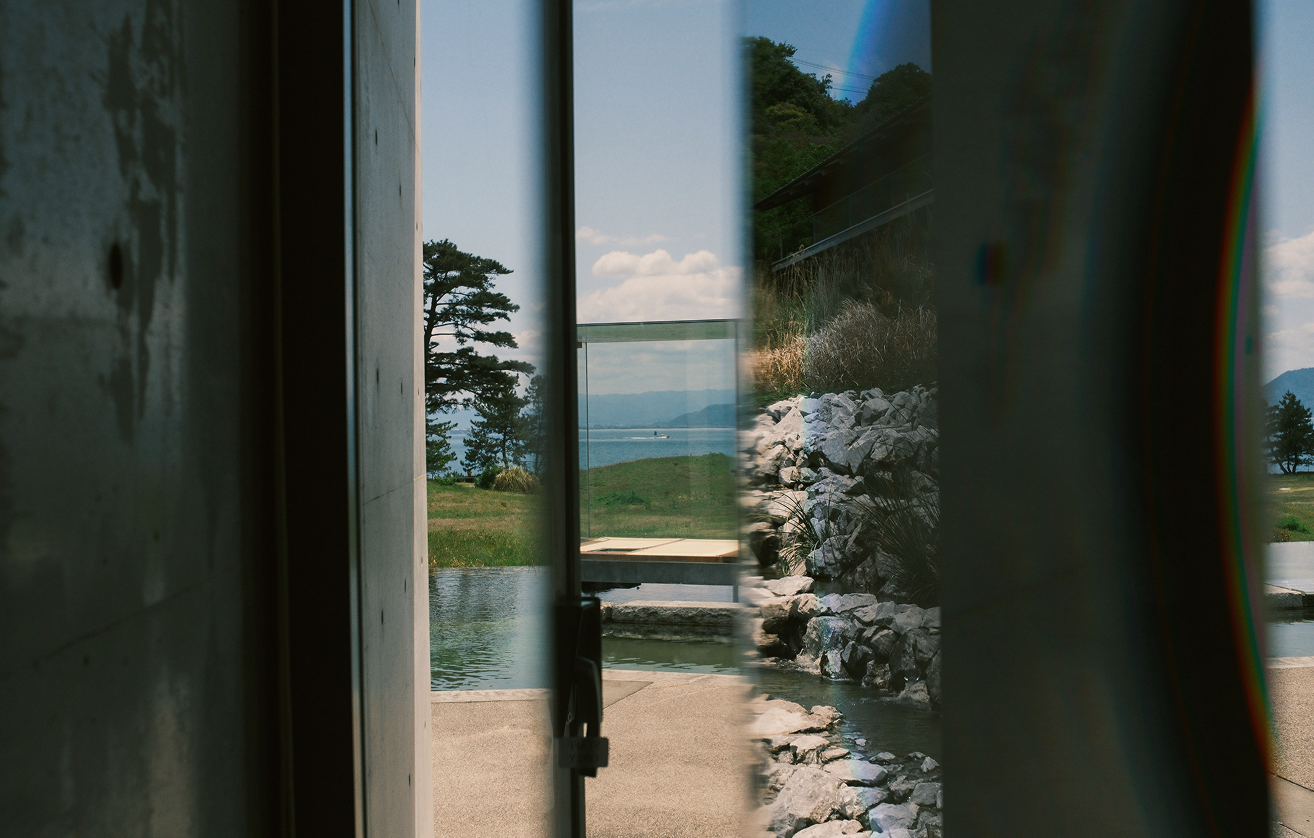
Stretching between Honshu, Shikoku and Kyushu, this network of islands and coastal towns feels worlds away from the velocity of modern travel. Ferries drift across glassy water. Fishing villages wake with the tide. Contemporary art museums rise from forested hillsides so naturally they seem part of the landscape itself. Even time appears to soften around the edges here.
That slower rhythm is exactly what makes the region feel so compelling right now.
Because for a growing generation of travelers, the goal is no longer simply to see everything. It’s to feel something a little bit more while you’re there.
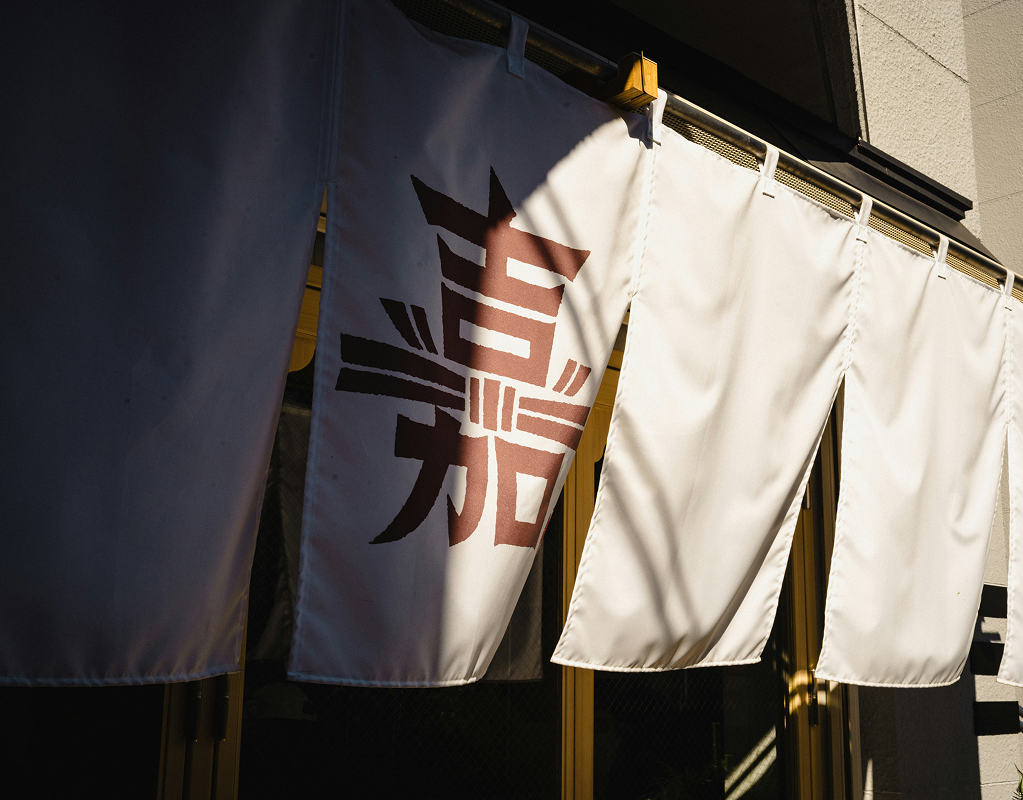
The Seto Inland Sea speaks to that shift beautifully. It’s less about collecting landmarks and more about settling into the atmosphere between moments: the hush of a ferry ride at dusk, the soft chime of a temple bell carrying across the water, the discovery of a tiny family-run soba shop with noren curtains swaying in the breeze outside.
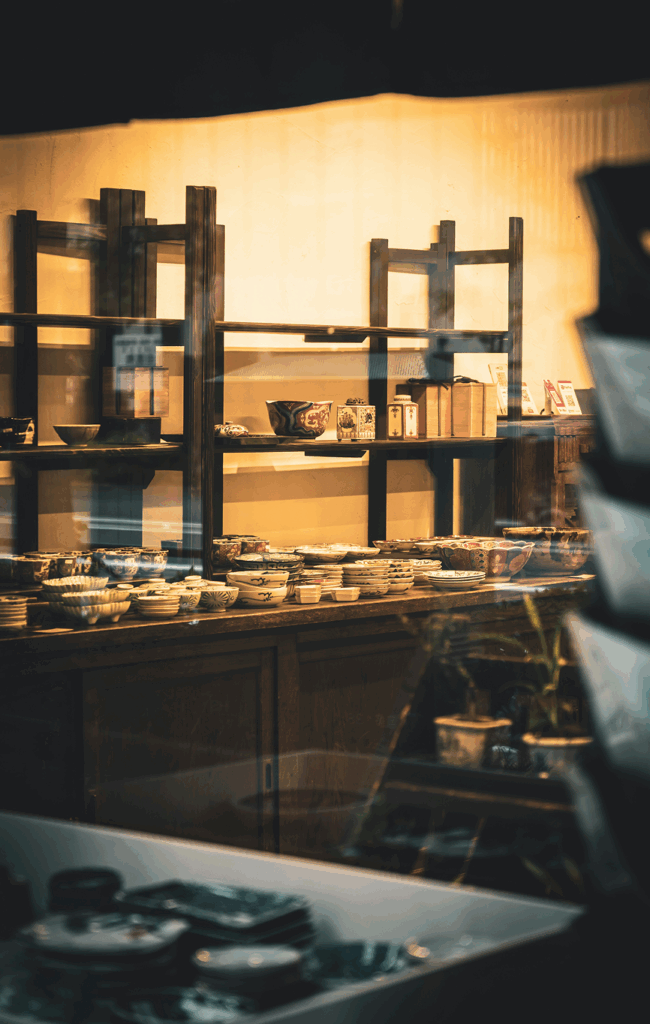
You might stumble into a ceramics studio tucked behind a quiet street in Teshima or find yourself lingering in a neighborhood sentō where locals move through familiar routines with practiced ease.
Nothing here fights for your attention, which somehow makes you pay closer attention to everything.
For years, many people approached Japan the same way they approached Europe for the first time — moving quickly, covering ground, optimizing itineraries down to the hour. Tokyo in three days. Kyoto in two. Somewhere along the way, travel began to feel strangely transactional, more focused on proof of experience than the experience itself.
But travelers are shifting toward something different now. Slower mornings. Boutique stays. Restaurants without lines wrapped around the block. Neighborhoods where life still exists beyond tourism. Space to wander without immediately feeling the pressure to turn every moment into content.
The Seto Inland Sea feels almost perfectly suited to that kind of travel.
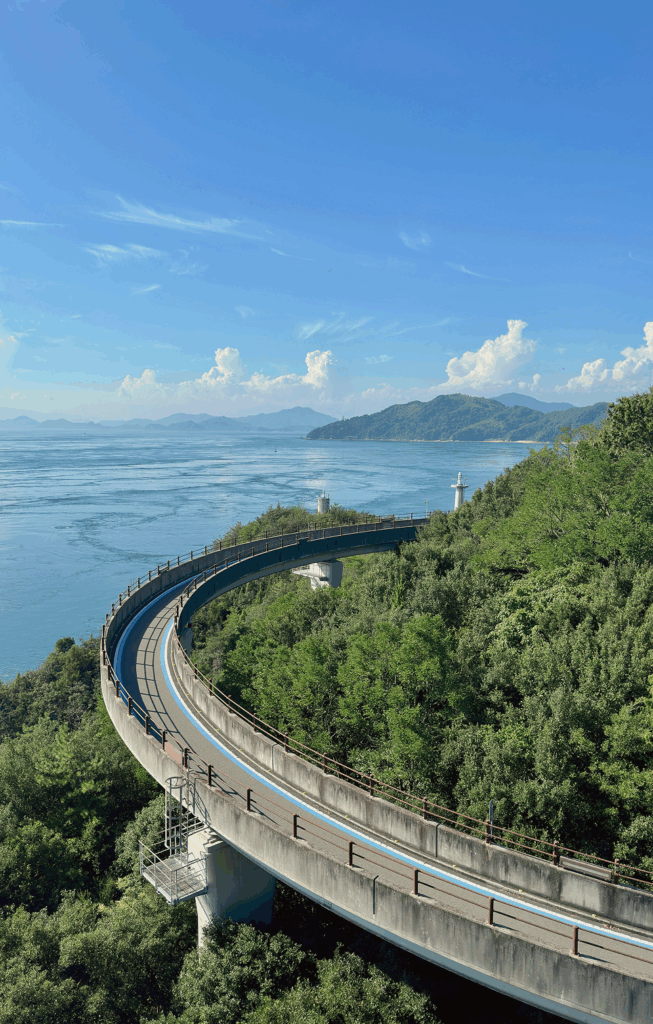
One day might unfold along the Shimanami Kaido, cycling across bridges suspended above the sea as fishing boats drift below and tiny islands rise in the distance like brushstrokes across the horizon.
Another might lead you through coastal towns where everyday life still revolves around the water, past working harbors, family-run shops and quiet streets where little seems rushed.
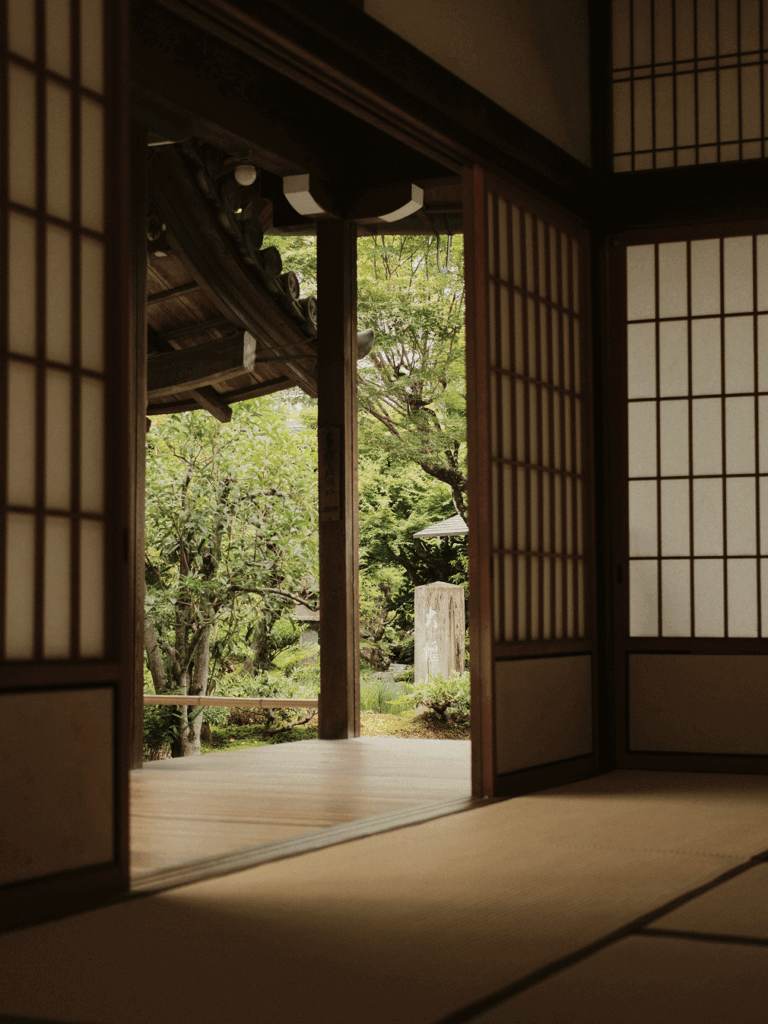
Elsewhere, there are hillside temples wrapped in cedar trees, floating oyster farms rocking gently offshore and old bathhouses where the wooden floors creak softly beneath your feet. Tiny cafés serve beautifully simple lunches that feel inseparable from the view outside the window. Even the convenience stores somehow feel cinematic here. Part of the beauty of the region is that nothing feels overly curated for outsiders. It still feels lived in.
And that restraint — that refusal to oversell itself — is exactly what makes the Seto Inland Sea feel so modern right now. Because luxury has changed too.
It’s no longer only about excess or exclusivity. Increasingly, luxury feels like space. Silence. A hotel room overlooking still water. Time to linger over dinner without rushing toward the next reservation. The rare experience of returning home from a trip feeling calmer rather than overstimulated.
The Seto Inland Sea rewards travelers willing to move at that pace.
And while the region has long been beloved within Japan, internationally it still carries the feeling of being slightly ahead of the curve — the kind of place people hear about through a friend whose taste they trust implicitly.
Not hidden exactly. Just not overrun.
There’s a particular satisfaction in finding places like this before they become everyone’s next obsession, not because exclusivity matters, but because some destinations are best experienced before the noise arrives.
The Seto Inland Sea still offers that increasingly rare sense of discovery. It asks you to slow down enough to notice things again: the changing light on the water, the rhythm of island life, the beauty of having nowhere urgent to be.
And once you experience Japan this way, it becomes surprisingly difficult to imagine traveling any other way.