I’ve seen You’ve Got Mail dozens of times. Tom Hanks’ character, Joe Fox, famously describes Starbucks as a place “for people with no decision-making ability whatsoever to make six decisions just to buy a $2.95 cup of coffee.”
I can’t help but wonder what Joe Fox would think of coffee culture today.
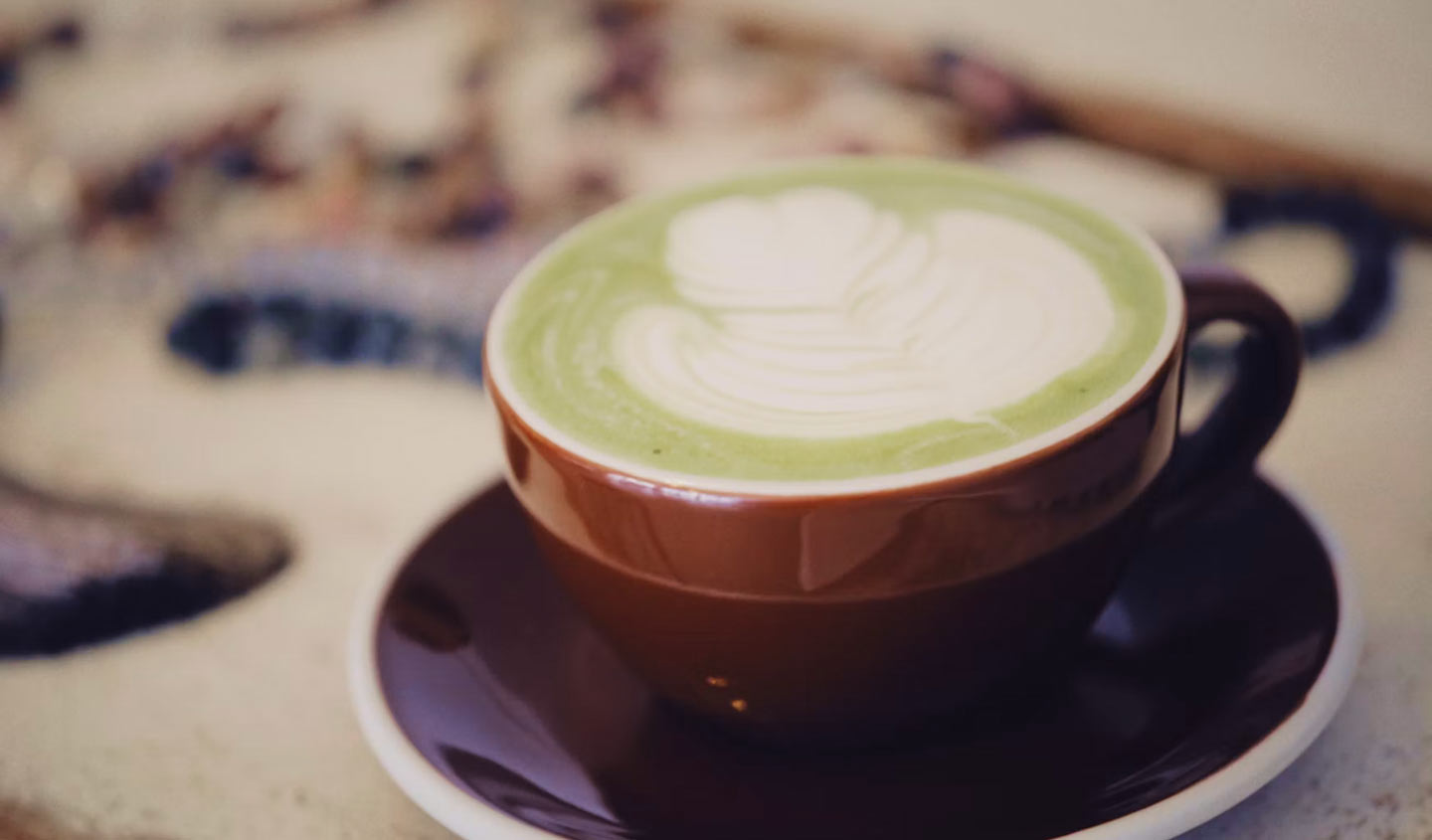
Nearly three decades later, a coffee shop menu can feel like a personality quiz. A latte now costs anywhere from $5 to $8, and baristas have become even more imaginative: cookie butter lattes, Teddy Graham lattes, s’mores lattes, lavender shaken espressos, tiramisu lattes – and one vibrant green drink that seems to have taken over cafés around the world.
Matcha.
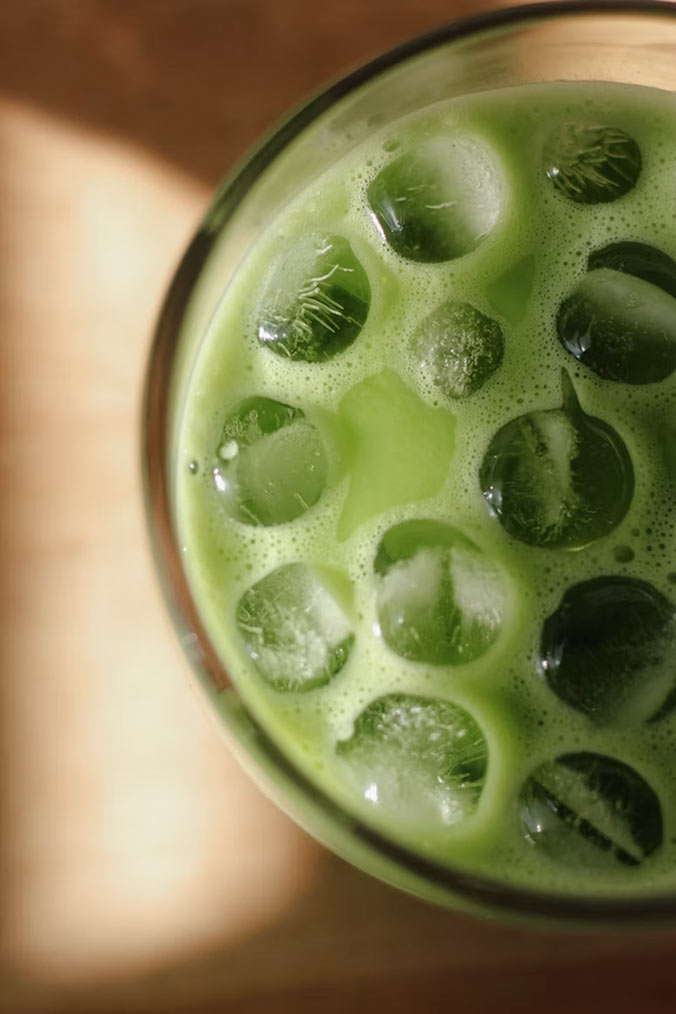
It’s whisked with strawberry purée, topped with sweet cold foam, poured over ice, and photographed endlessly. But before matcha became a social media accessory, it was something else entirely: part of a centuries-old tradition rooted in ritual and intention.
So, what exactly are we drinking? Why has matcha become such a global phenomenon? And if you really want to understand it, where better to start than Japan?
WHAT’S THE TEA?
Matcha’s story begins long before Nora Ephron’s 1998 romantic comedy. Its deeper roots can be traced to China, where tea leaves were steamed and pressed into cakes or bricks for storage and transport during the Tang and Song dynasties. By the Song dynasty, powdered tea was whisked with hot water – a preparation method that would eventually make its way to Japan.
As powdered tea gradually fell out of favor in China, the practice evolved across the sea. In the late 12th century, Japanese Zen monk Myōan Eisai returned from China with tea seeds and knowledge of tea preparation. Over the following centuries, Japan developed distinctive traditions around the cultivation, preparation, and appreciation of powdered green tea, eventually intertwining it with Zen Buddhism and the Japanese tea ceremony.
You could almost call Eisai matcha’s first influencer.
Tea found a natural place in Zen monasteries. Its caffeine helped monks remain awake and alert during meditation, while tea was also valued at the time for its perceived medicinal properties.
Producing high-quality matcha is an art form. Tea plants used for matcha are shaded before harvest, altering the leaves as they grow and contributing to matcha’s characteristic deep green color and flavor. After harvesting and processing, the resulting tea, known as tencha, is carefully ground into a fine powder.
THE MATCHA BUZZ
Unlike steeped tea, matcha is made by whisking the powdered tea leaf directly into water, so you’re consuming the leaf itself. It contains caffeine, along with naturally occurring compounds including L-theanine and catechins.
That caffeine part is important to me.
I’m part of the crowd that experiences “coffee jitters.” Most of the time, coffee leaves me lightheaded and shaky, with a racing heart that sends my anxiety spiraling. It’s a lovely gift I stubbornly keep giving myself. Safe to say, coffee and I were never really meant to be.
Then matcha entered the scene.
I first noticed the matcha craze at the beginning of the decade – you know, that era when everyone either picked up oddly specific hobbies or became hopelessly attached to their phones.
I’ll admit, I was skeptical. I was convinced it would taste like bitter grass – the kind of flavor you’d only find in the absolute worst BeanBoozled jellybean. I assumed matcha was one of those things people pretended to like because it was having its viral moment.
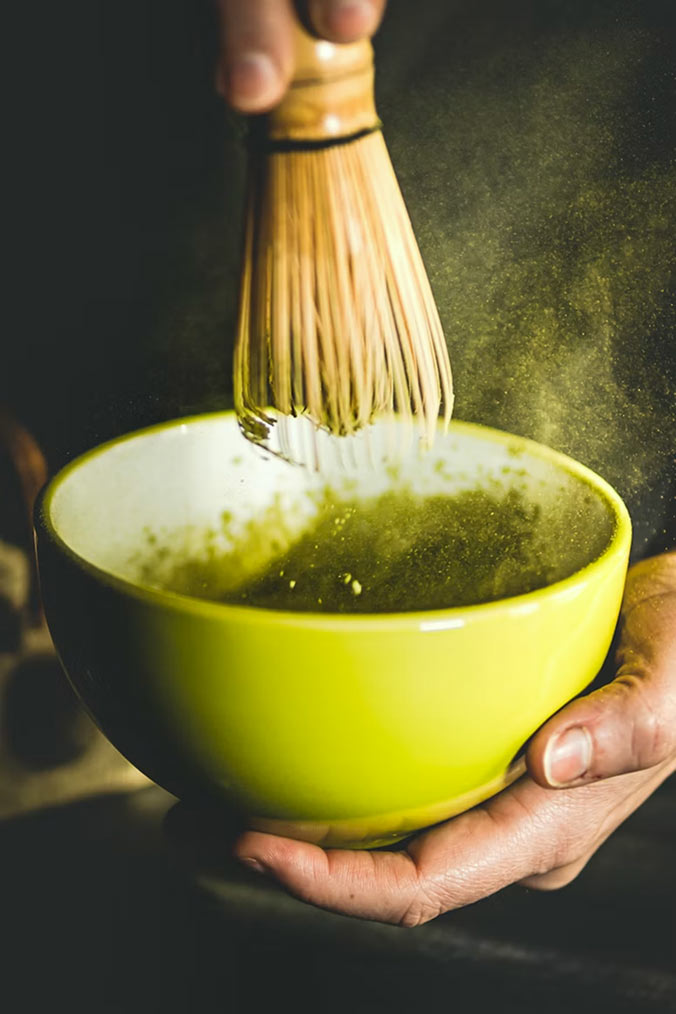
And yes, part of that assumption was because it’s green.
The first time I tried matcha, I added lavender syrup. I needed my training wheels on and braced for the worst. My face reads like a book, so I’m almost positive my eyes darted around and my eyebrows danced as I tried to decipher whether my taste buds liked it.
Unsurprisingly – though surprisingly at the time – they did. And the jitters I’d get from coffee? Gone.
Matcha as an accessory
There’s a very specific corner of the internet where matcha thrives. It exists in the wellness space, certainly, but it has also become a personality.
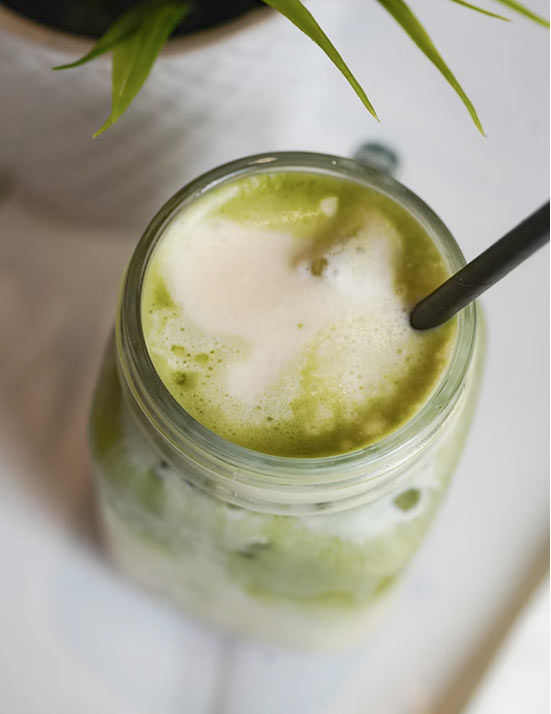
Scroll through Instagram or TikTok and you’ll recognize the formula: a morning skincare routine, a Pilates class and, naturally, an iced matcha from a photogenic café. In cities like New York and Los Angeles, certain cafés become destinations themselves after influencers declare that this is the place to find the best matcha. And to be honest, we should save that accolade for Japan.
In a social media world built around an effortless, wellness-forward aesthetic, matcha practically begs to be photographed. Its green color pops on screen, and its associations with tea and wellness make it an easy shorthand for a certain kind of lifestyle.
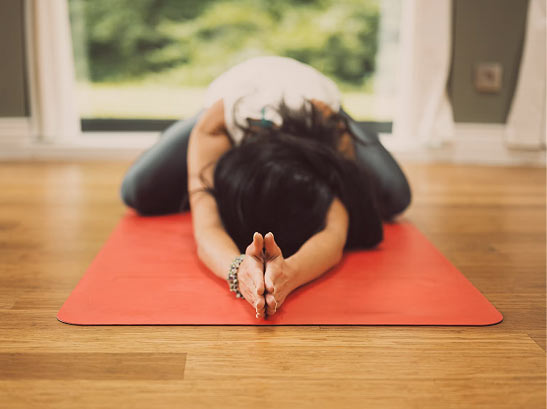
That’s probably why matcha and Pilates are so often mentioned in the same breath.
But the more I thought about it, the more I realized they share something more meaningful than an aesthetic.
Ritual.
I’ve fallen for both Pilates and matcha, though I’m not trying to brand myself as a wellness guru. I’ve simply found my own meaning in each. I reach for matcha when I want caffeine without turning to coffee, and I go to Pilates because the slow pace gives me the chance to reconnect my mind with my body.
Maybe that’s why matcha’s current moment is more interesting than it initially appears. Beneath the viral drinks, colorful syrups and curated videos is an idea that has been connected to matcha for centuries: slowing down and paying attention.
Matcha as a ritual
To really understand matcha, it helps to look beyond the drink itself and toward the traditions that have shaped it.
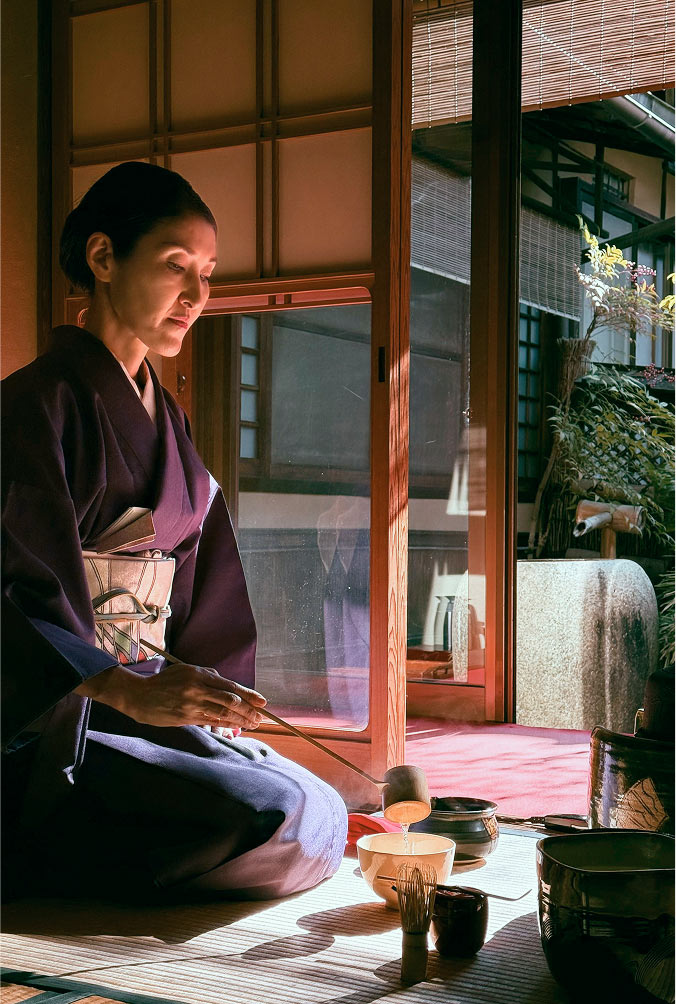
The Japanese tea ceremony, known as chanoyu or sadō, is a cultural tradition shaped over centuries by principles including harmony (wa), respect (kei), purity (sei) and tranquility (jaku).
Watching a tea ceremony unfold can feel a little like watching a ballet. There’s an elegant sequence to it – movements refined through practice, each one purposeful and connected to what comes next.
Even the setting contributes to the experience.
Traditional tea spaces reflect an appreciation for simplicity and wabi-sabi, an aesthetic associated with impermanence, simplicity, and the beauty of imperfection. Seasonal elements can bring attention to a particular moment in time, while the preparation and presentation of the tea invite both host and guest to focus on what is happening right in front of them.
It’s a striking contrast to the way many of us encounter matcha today.
We order it on an app. We drink it through a straw. We carry it to work. We photograph it. We add flavors that might make a traditionalist raise an eyebrow.
None of that necessarily diminishes matcha. If anything, its latest reinvention may offer a doorway into discovering the much older traditions behind it.
And that’s where Japan changes the experience.
Travel has a way of giving context to things we thought we already knew. In Japan, matcha isn’t simply the green alternative to your morning coffee. Its story is connected to craftsmanship, hospitality, and cultural practices refined over centuries.
Experiencing a traditional tea ceremony in Japan makes that context tangible. On Tokyo, Kyoto & The Seto Inland Sea, you can experience the tradition firsthand – an invitation to slow down, observe, and be present.
Suddenly, the question isn’t simply where to find the “world’s best matcha.”
It’s what makes a bowl of matcha meaningful in the first place.
Fill your cup
I’m sitting in a café as I write this. I, of course, have a half-sipped strawberry matcha latte beside me. Obviously, for research.
To my left, there’s matcha. To my right, there’s matcha. At the table in front of me – now that I’m paying attention – nearly everyone seems to be sipping something green.
Yes, I’m technically working, which isn’t typically grouped with Zen practice. But I’m also writing. Observing. Thinking. For a few minutes, at least, I’m staying centered on one thing.
After all, ritual looks different for everyone.