Wine is everywhere – always has been, always will be.
As early as 8,000 years ago, when Georgians realized fermented grape juice could become something special, wine began weaving itself into human life. Ancient Egyptians used it in ceremonies. Greeks linked it to celebration and rebirth. The Romans carried winemaking across Europe. And us? We like to make napkins that say, “If you combine wine and dinner, you get winner,” and pass them around Thursday night book club.
It shows up at dinner parties, gets wrapped in silver foil for the holidays, and is quietly assumed to be something everyone enjoys. And if it’s not your thing? You learn to nod along and pretend it is.
I’ll go first: I’m not a wine drinker, and I proudly know the bare minimum.
If you’re looking for a beginner’s guide to wine, you won’t find it here. But maybe you’ll find permission to enjoy wine without needing to understand it fully, and to let it exist in its simplest form.
I went to college in New York City, and when my friends and I wanted to feel a little more “grown-up,” we found ourselves on the barstools of a wine bar on West 51st Street – sipping glasses of wine we couldn’t pronounce and convincing ourselves we liked. We all carried this unspoken idea that adults drink wine, and if we wanted to play the part, we had to trade our vodka sodas for a glass of Chardonnay.
Under the table, I was Googling the difference between dry and sweet, bold versus mild, mineralized reds, and why so many wines start with “pinot.” Anything that made us sound like we knew what we were talking about – definitely not 19 – and that we belonged.
In that moment, I was grouping knowing with belonging – and that was the mistake. You don’t need to know wine to appreciate it.
These days, wine culture can feel intimidating when you don’t label yourself a wine drinker – and it’s not something you can really ignore. Whether you’re traveling through Northern California, Italy, Spain, South Africa, France, or Australia, wine always seems to follow. No matter what’s in your glass, there’s no special invitation you need to accept – as long as you’re willing to notice.
A novice wine drinker goes undercover at a wine tasting
I’ve come to understand wine a little more since those performative wine-drinking days. I still don’t know why so many wines start with pinot (a quick search tells me it’s a French way to describe the pine-cone-like clusters of grapes), but I’ve gone wine tasting in a handful of countries since then.
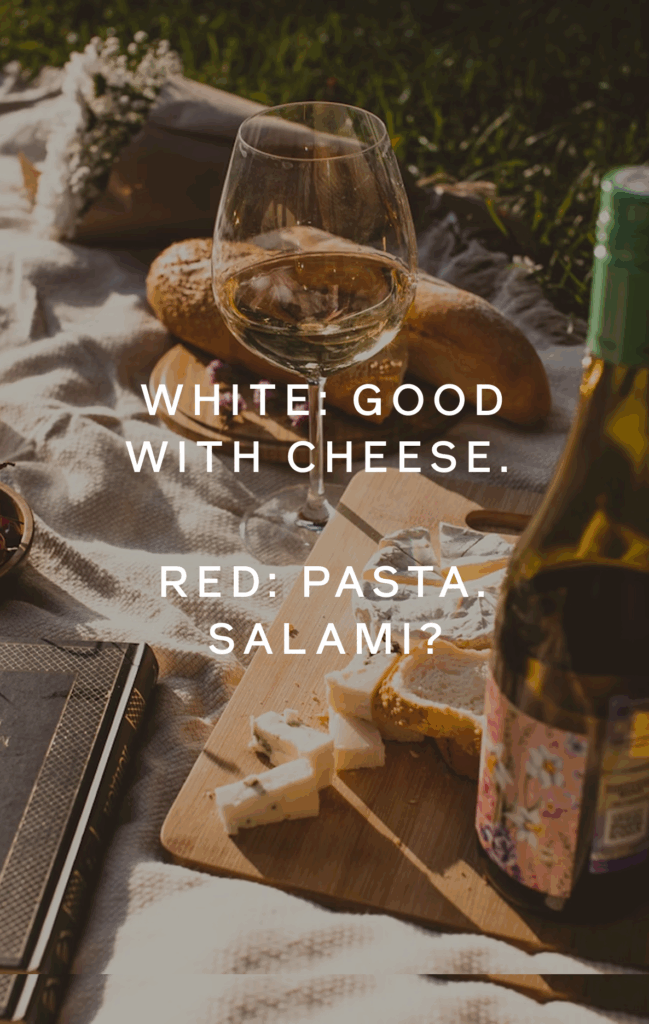
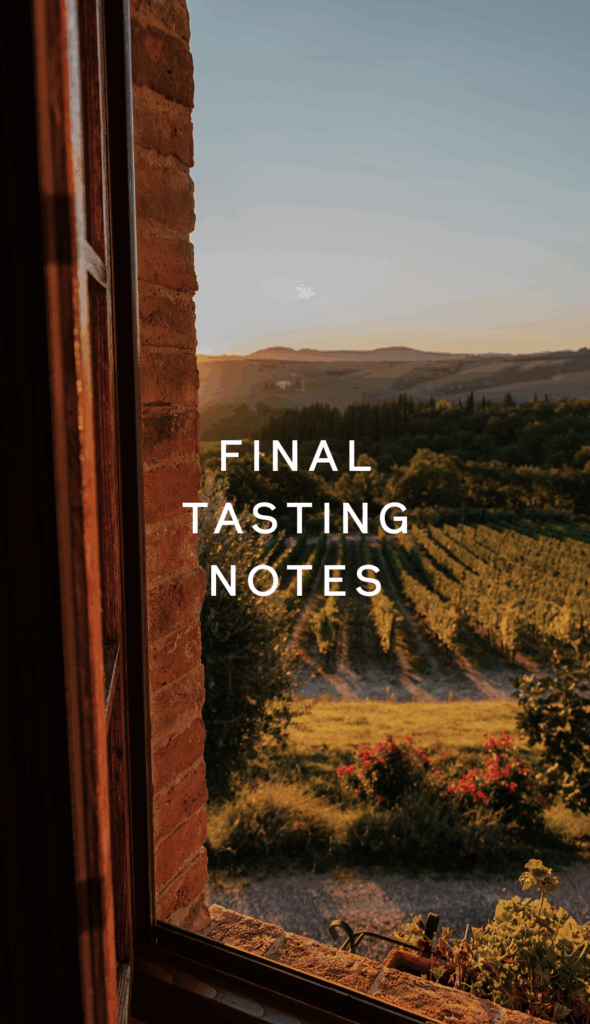
My tasting notes from Tuscany speak for themselves:
White: good with cheese. Red: pasta. Salami?
For a writer, it’s hardly poetic. Hardly helpful. And yet for someone who doesn’t really know wine, those scribbles are still tied to some of my best memories of that trip.
When you go to a wine tasting, you start to realize wine is patient. It begins with vines that need years before they’re ready. Then comes harvest – early mornings, stained hands, and planning that depends on weather, instinct, and timing. Grapes are crushed, juice ferments, and the story continues.
No one cares if you don’t know wine. They just want to share what they’ve made. And even if you don’t love what you’re tasting, you’re still connecting more deeply to the earth you’re exploring – discovering how unique and different we all are through each sip. At vineyards and wineries, it’s like a living art gallery. They want to tell you about the year the rain came too late, or the harvest that nearly didn’t happen, or the family tradition that’s been passed down longer than anyone can remember.
There’s a world of wine knowledge out there – and it’s fascinating. If you want a low-pressure way to taste without pretending, here’s what I’ve learned:
Dry usually means “not sweet.” Crisp means it has acidity (think refreshing, not sour). And if a wine feels “heavy,” that’s body.
That’s it. That’s all you need to know to enjoy the start of its story.
And still, we raise our glass
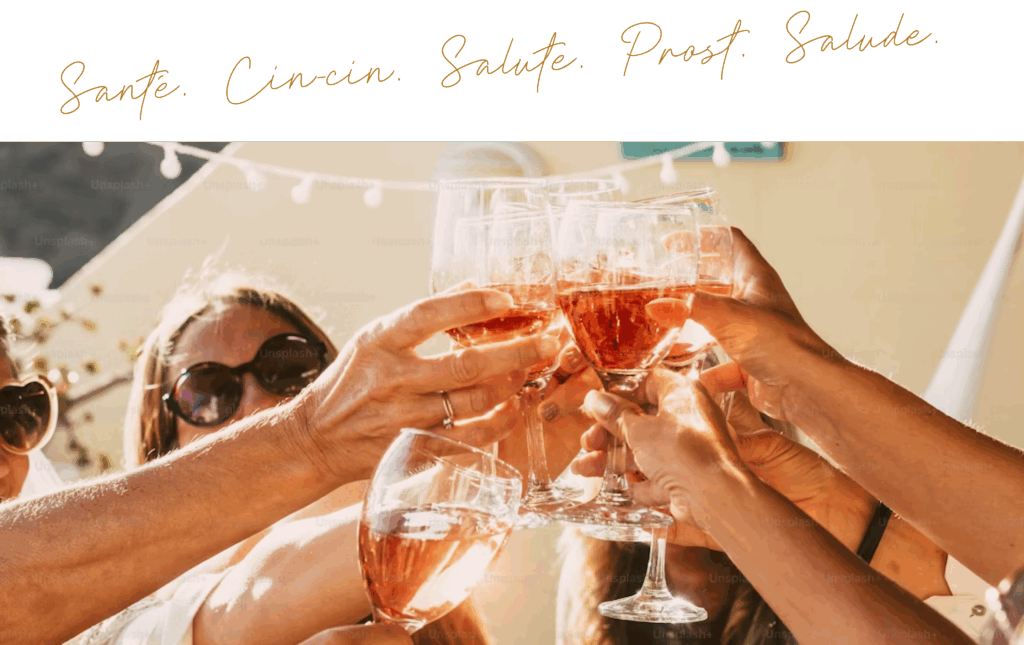
In many places, wine wasn’t made to be studied. It was made to bring people together. Over centuries, families passed down traditions, and regions shaped identity around what could grow from their soil. That’s why it often feels less about what’s in the glass and more about what’s happening around it.
A little bit of travel only reinforced that.
In Italy, wine lingers at the table just long enough to invite another story.
In France, it’s part of daily life – casual, confident.
In Spain, it’s social glue – passed around late into the night with tapas and laughter.
In Austria, it’s tied to the land itself.
No region does it the same, yet they all make room for it at the table. Civilizations evolved alongside wine. It belongs to all of us, whether we feel like “wine people” or not. Through traveling places where I only know how to say “hello” and “thank you,” I’ve come to see wine as its own language – an appreciation for life and an invitation to connect.
Here’s what I know now:
1. You don’t have to be a wine person to enjoy wine.
2. You don’t need the vocabulary.
3. You don’t have to love every glass.
4. And you certainly don’t have to pretend.
Appreciation doesn’t come from knowledge – it comes from attention. From noticing where you are. Who you’re with. How the moment feels.
At its best, wine is just a way in – a doorway into the world and the cultures that shape it. You don’t need to play the part – just be open to the story.