At first glance, salt seems pretty simple.
It’s what we sprinkle on French fries or quietly add to a dish that’s a little bland… because we don’t want to insult the host. At the end of the day, salt is just salt… right?
Wrong.
When I first started researching this article, I wondered the same thing. What actually differentiates salt? As an amateur chef myself, I knew I preferred kosher salt over table salt, and I’ve always loved the crunch of flaky finishing salt on a freshly toasted slice of sourdough. But I never really stopped to ask why.
That question is really the heart of the story.
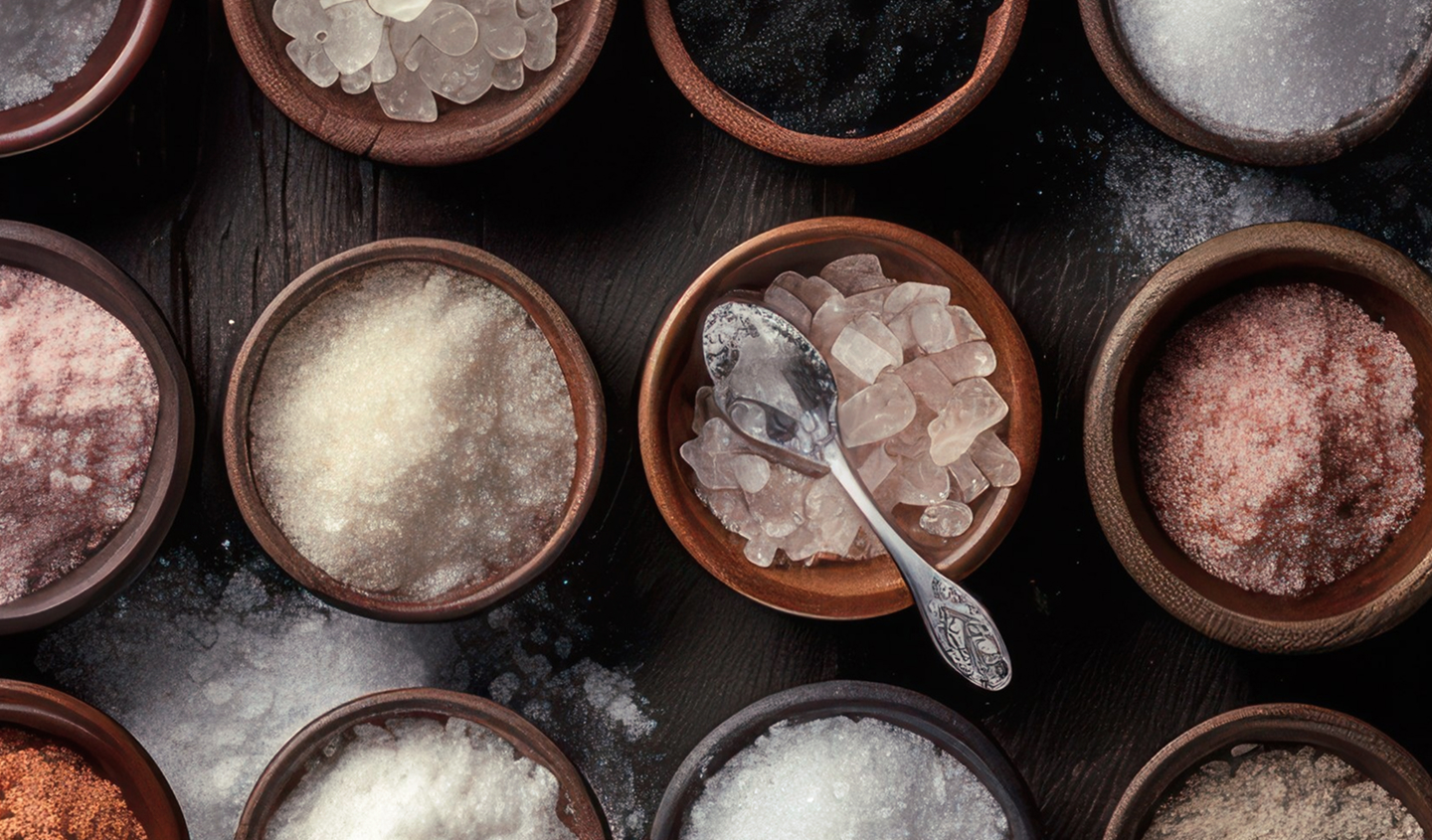
Because while all salt is technically sodium chloride (NaCl, for the science enthusiasts out there) the differences in crystal size, mineral content, and moisture can dramatically change how salt tastes and feels.
Yes, salt has texture and unbeknownst to me, it sure has personality.
The Many Personalities of Salt
Take kosher salt, for example. It’s easily recognizable thanks to its large, irregular crystals. Because of this structure, and because it typically lacks additives like iodine, kosher salt has a clean, mild flavor.
Those larger crystals dissolve more slowly on your tongue, creating a gradual, balanced salinity instead of a sharp burst. That’s one of the reasons it’s a staple in professional kitchens around the world. Without additives, it also avoids the slightly bitter or metallic aftertaste that iodized salts can introduce.
Then we have sea salt.
Sea salt is produced through the evaporation of seawater and often contains trace minerals like magnesium, calcium, and potassium. These subtle mineral notes give sea salt a slightly more complex flavor, sometimes even a faint briny quality allowing you to really indulge in that “ocean flavor.”
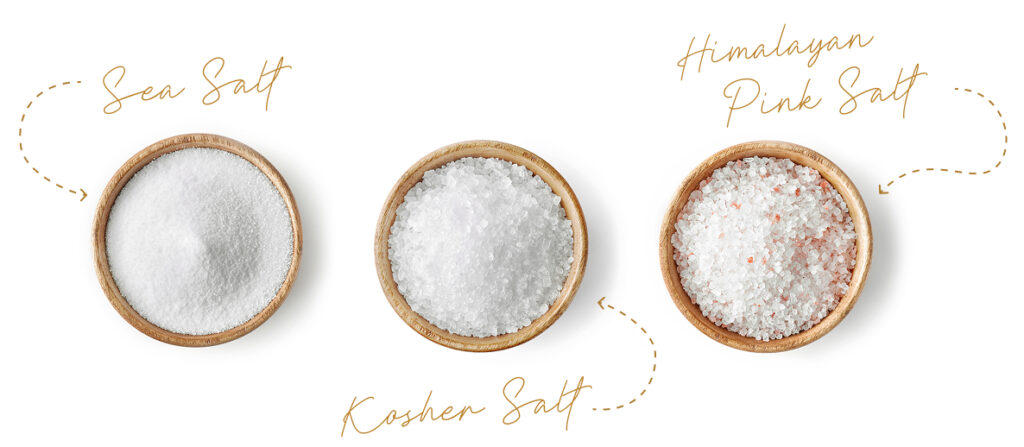
Sea salt can be fine or coarse. Fine grains dissolve quickly, making them ideal for sauces, soups, and baking. Coarse sea salt, on the other hand, is perfect as a finishing touch, adding a pleasant crunch to grilled vegetables, roasted meats, or fresh salads.
And of course, we have to talk about everyone’s favorite pink celebrity: Himalayan pink salt.
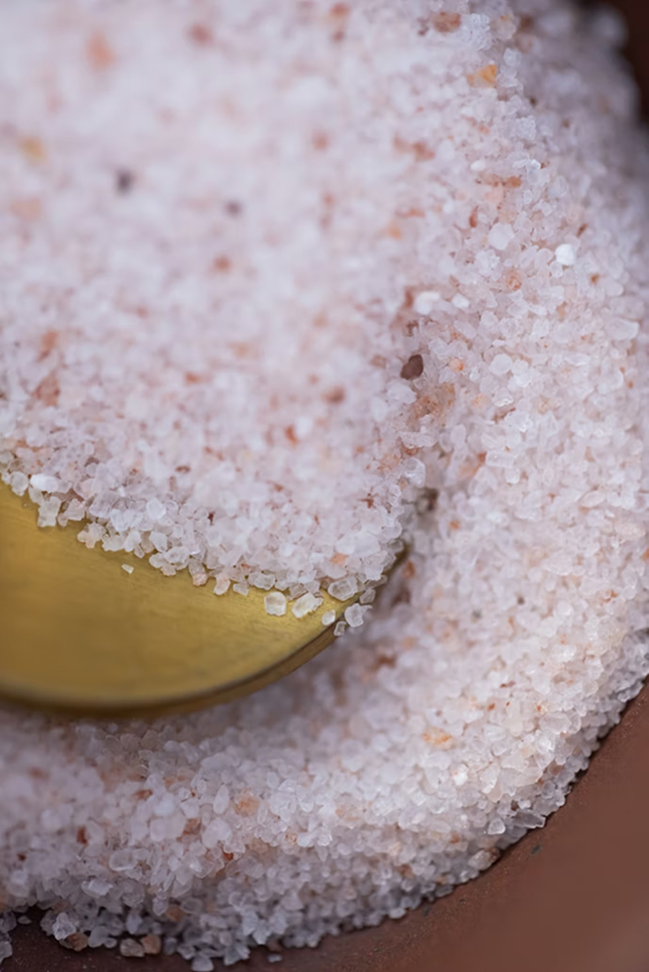
This vibrant salt has surged in popularity over the past decade. Its rosy hue comes from trace amounts of iron oxide trapped within the crystal structure. Beyond its eye-catching color, Himalayan salt carries a slightly earthy flavor and is often used as a finishing salt, both for taste and presentation. That pop of pink can turn a beautifully plated dish into something even more visually striking.
Does It Really Matter?
At this point you might be thinking:
“Okay, this is interesting, but it’s still just salt.”
But salt is no different from many other ingredients we obsess over in the culinary world.
You can taste the difference between a $25 bottle of vodka and a $200 one. Between a standard steak and a beautifully aged cut. Between supermarket vegetables and produce grown in someone’s backyard garden.
Salt works the same way.
Better ingredients elevate the entire experience.
THE ROLLS-ROYCE OF SALT
Which brings us to what some chefs call the Rolls-Royce of salt.
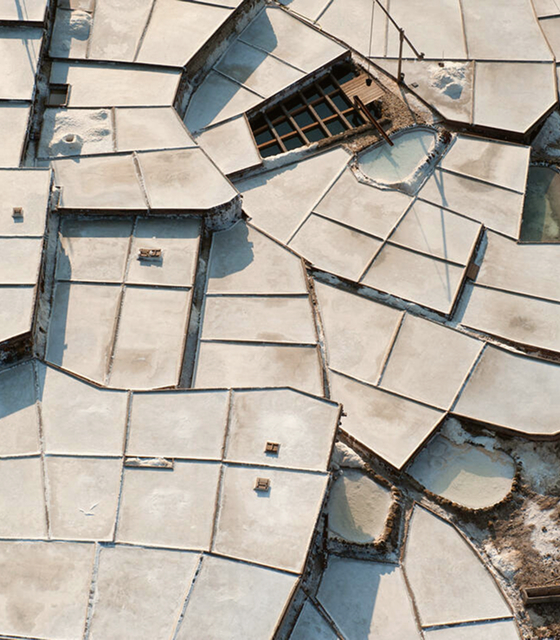
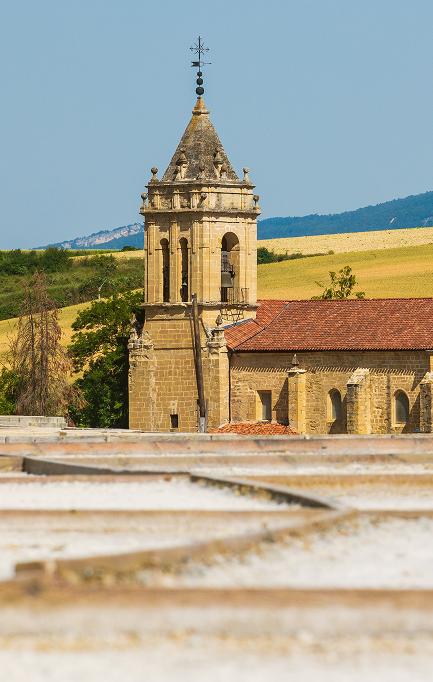
Hidden in Spain’s Basque Country lies Añana Salt Valley, a remarkable landscape where salt has been harvested for more than 7,500 years. These ancient salt flats remain in continuous operation today, though the site is now protected as both a cultural landmark and a living tradition.
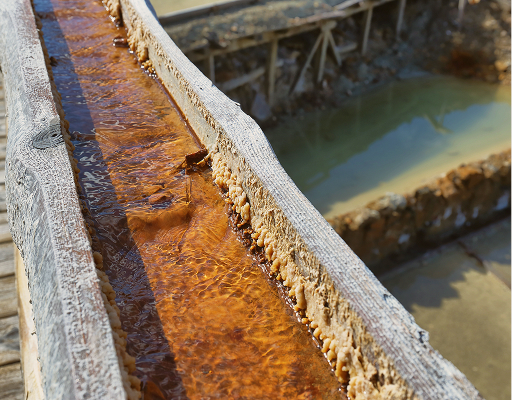
Mineral-rich spring water flows through a network of wooden channels and terraces before slowly evaporating under the sun, leaving behind delicate salt crystals.
The result is Sal de Añana, one of the rarest and most highly regarded salts in the world.
This artisanal spring salt is prized for its clean, bright flavor and delicate texture. Its crystals often form light flakes that first crunch gently, then dissolve smoothly on the tongue, enhancing food rather than overpowering it.
Because production remains small and traditional, Sal de Añana is rarely found in supermarkets. Instead, it is most often used in high-end restaurants or purchased directly at the valley itself.
But what makes Añana truly special is the community behind it.
Generations of local families have worked these terraces, maintaining centuries-old harvesting methods and preserving the valley’s unique cultural heritage. Many of the workers today come from families who have harvested salt here for generations, keeping the tradition alive while ensuring the landscape remains relevant for the future.
What Does a Salt Tasting Feel Like?
A salt tasting might sound unusual, but it’s surprisingly like a wine or beer tasting.
You notice the texture of the crystals, the way they dissolve on your tongue, and the subtle differences in flavor, whether mineral, briny, earthy, or bright.
Some salts feel delicate and airy. Others deliver a bold crunch. Some dissolve instantly, while others linger.
It’s as much about texture as it is taste.
And like any tasting, the key is simple: slow down and pay attention.
A Taste of Spain
When you venture on our San Sebastián & Rioja journey, you’ll have the exclusive opportunity to visit Añana Salt Valley and take part in a salt tasting of one of the rarest salts in the world.
Standing among terraces that have been producing salt for thousands of years, it becomes clear that something as small as a grain of salt can carry centuries of craftsmanship, tradition, and flavor.
So the next time you’re making a margarita with a salted rim, maybe don’t reach for the table salt.
Instead, ask yourself a better question:
Fine or coarse? Kosher or pink Himalayan?
Because once you start tasting the difference… salt is never just salt again.