My wife and I walked into the 1 Michelin-starred Otto Geleng on a warm summer night in early August. We had just gotten married the week prior, and she had booked this experience as a surprise to celebrate our wedding.
The restaurant welcomed us with a panoramic view of the Sicilian coastline. Jazz played softly. Silverware clinked gently against porcelain. A quiet hum of conversation hovered in the air.
Upon arrival, the maître d’ welcomed us and led us to a reception table. There, with menus in hand, we were asked to select our evening’s meal, so that the experience could begin the very moment we sat down.
We were welcomed with a complimentary cocktail and an array of small bites designed to awaken the palate—assorted nuts, puffed chips, and delicate arancini. Each flavor offered a preview of what was to come, a savory overture that hinted at the experience ahead. In that moment, I knew: this would be no ordinary meal.
Soon after, we were escorted to our table. As we settled in, the Sicilian sunset unfolded before us—marking the end of the day, and the beginning of something entirely new.
Our meal began with the introduction of the water menu. Yes, you read that right. A water menu. 16 different types of water, 8 still and 8 sparkling, from across the world.
There was not a doubt in my mind. We stayed true to the spirit of Sicily and went with a bottle of sparkling water from Mt. Etna.
From there, the meal unfolded like a symphony. We’d selected the fish menu, which, course by course, painted a portrait of the Sicilian coast. The cuisine spoke in poetic, confident strokes—each ingredient chosen with purpose. Every dish told a story of place, of season, of the creative soul behind it all: Chef Roberto Toro.
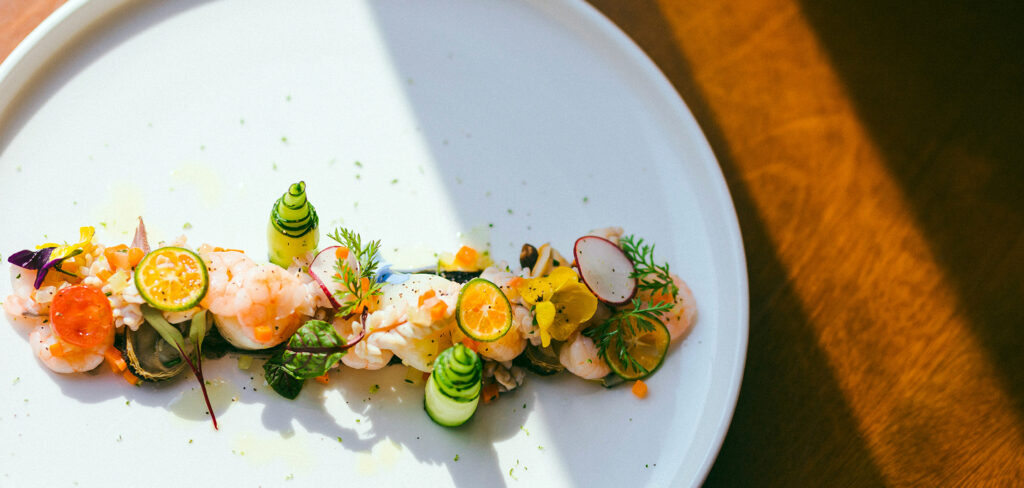
- Scallop – mussel emulsion, cucumber, garlic
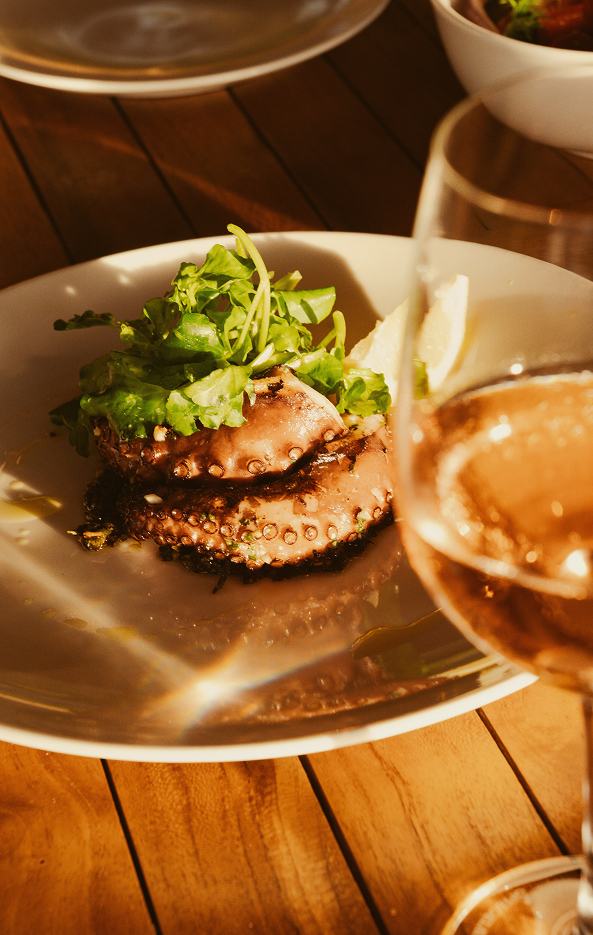
- Octopus – escarole, spring onion, wild fennel
- Linguine -roasted pepper extract, shrimp, sesame
- Amberjack -fennel, leche de tigre, sea grape
- Entre temps: Lemon – basil, bergamot
It was an experience we would never forget.
“Food is our common ground, a universal experience”
James Beard
Since I was a kid, I’ve had a love and appreciation for fine dining. As an avid Top Chef fan, I fondly remember my father and I spending hours on the couch talking about the different dishes, chefs, flavor combinations and challenges. I remember thinking, “ew that’s gross,” or, “that looks good, I’d probably try that.”
That early curiosity evolved into a deeper fascination with the world of fine dining—the precision, the artistry, the unspoken language between technique and taste.
Today, food is much more than just a plate (or bowl, ramekin, spoon) of food, it’s become an expression of self, where chefs become artists and dishes are canvases with your senses as the sole audience member.
Nowhere is that more evident than in a Michelin-starred restaurant. Here, every detail matters. Every plate tells a story—part nostalgia, part innovation. A dish of this caliber is both personal and universal. It speaks without words.
A Michelin star is an indication of excellence. According to Michelin, “A star is awarded to restaurants offering outstanding cooking: We take into account five universal criteria: the quality of the ingredients, the harmony of flavours, the mastery of techniques, the personality of the chef as expressed through their cuisine and, just as importantly, consistency both across the entire menu and over time.”
Some have called the ranking system “the only guide that matters.” Famous French chef, Maxime Meilleur, compared earning three stars to “winning the gold medal at the Olympics.”
Regardless, since its inception in 1900, there is not an ounce of doubt that the Michelin Guide has helped transform cooking into the art form it is today. With its yearly updates, annual rankings and multiple brands, Michelin has reinvented the food world and paved the way for the evolution of modern fine dining.
But what does it take to get a star? What defines how many a restaurant gets? What are they judged on? And what does that dining experience look like?
“Food can bring people together in a way nothing else could.”
Yotam Ottolenghi
According to the guide itself, restaurants are judged for the food and the food alone. While there is a misconception that the guide judges an establishment based on their decor and wine list, Michelin’s stance (in regards to wine) is that any establishment serious about their food will be serious about their wine as well.
Generally speaking, Michelin-starred restaurants tend to be smaller, more intimate, and offer immersive, detail-oriented service. Reservations are often required—some months in advance, depending on the restaurant. Others may require only a week’s notice.
Defining a star
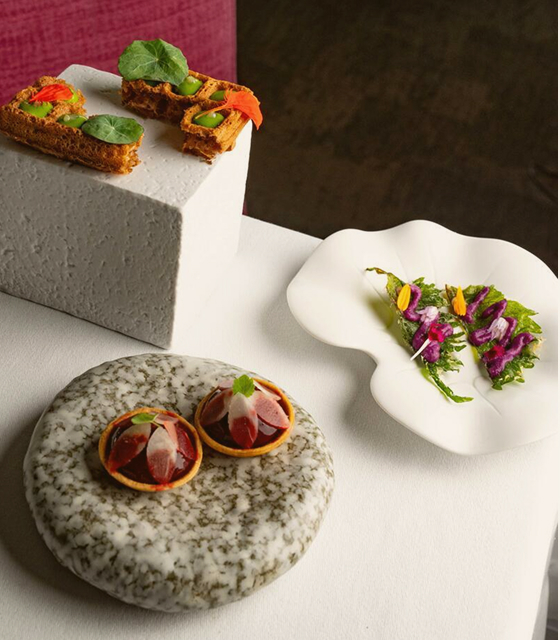
1 Star: “A very good restaurant in its category” (Une très bonne table dans sa catégorie)
A one star restaurant represents good food, utilizing high-quality ingredients, expert cooking techniques, distinct flavors, personal touches and plate-to-plate consistency at every visit.
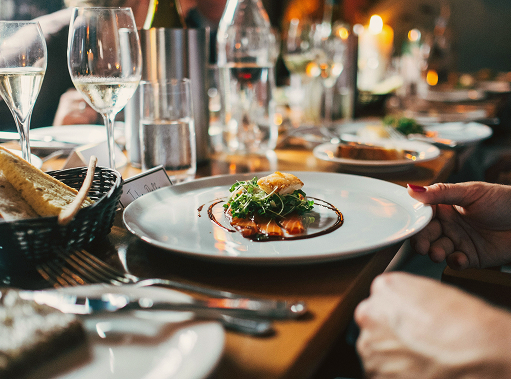
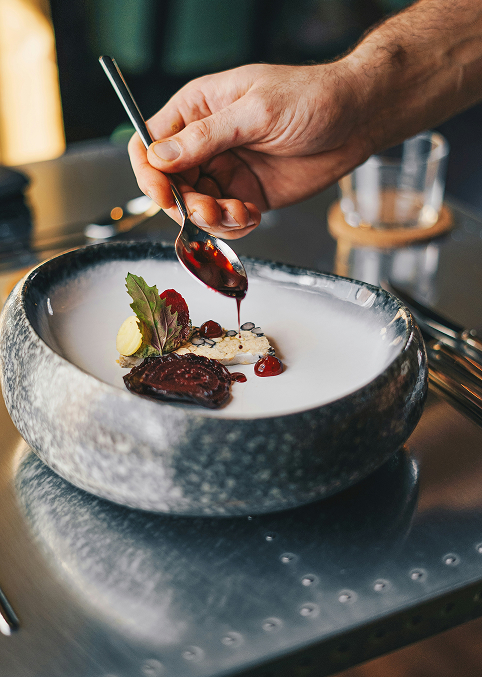
2 Stars: “Excellent cooking, worth a detour” (Table excellente, mérite un détour)
A two star restaurant separates itself from a 1 star and is characterized by its use of high-quality ingredients, the ability to see the chef’s distinct personality in their dishes, and a refined, inspired, and masterfully prepared dining experience from start to finish.
3 Stars: “Exceptional cuisine, worth a special journey” (Une des meilleures tables, vaut le voyage).
And at the very top of the mountain lies the coveted 3 Michelin stars. An achievement so rare that only 157 restaurants in the world* have been awarded this distinction. At a three Michelin star restaurant, the restaurant is the destination. The crowning achievement of dining, here the food is not just of the highest quality, but the artistry of the chef is on full display. Service is spectacular.
*Denotes recent rankings and 45 qualifying countries.
No matter our background, no matter where we come from, food is a universal language, one that speaks in flavor, aroma, and memory. Ingredients transcend borders. Dishes carry stories. A single bite can transport us to a childhood kitchen or a faraway land.
As Top Chef alum and Season 22 winner Tristen Epps-Long once said, “food is the one true connecting force in this world.” And he’s right. Food bridges cultures. It passes down tradition. It invites us to slow down, gather together, and share something real.
A Michelin-starred meal is never just about what’s on the plate. It’s artistry. Soul. A celebration of heritage and the people behind the flavors.
That’s why food is never an afterthought on our journeys—it’s a cornerstone.
We believe that to truly understand a destination, you have to taste it. Not just through what’s served, but through how it’s served, where it’s sourced, and why it matters. Every restaurant we choose, every dish we spotlight, is thoughtfully selected to immerse you deeper into the culture and character of a place.
Because whether it’s a family-run trattoria tucked along a Tuscan hillside or a celebrated tasting menu in Tokyo, we know that a meal can become a memory. And in the end, those are the flavors that stay with us.
We look forward to sharing a meal with you. Prost and Bon appétit!