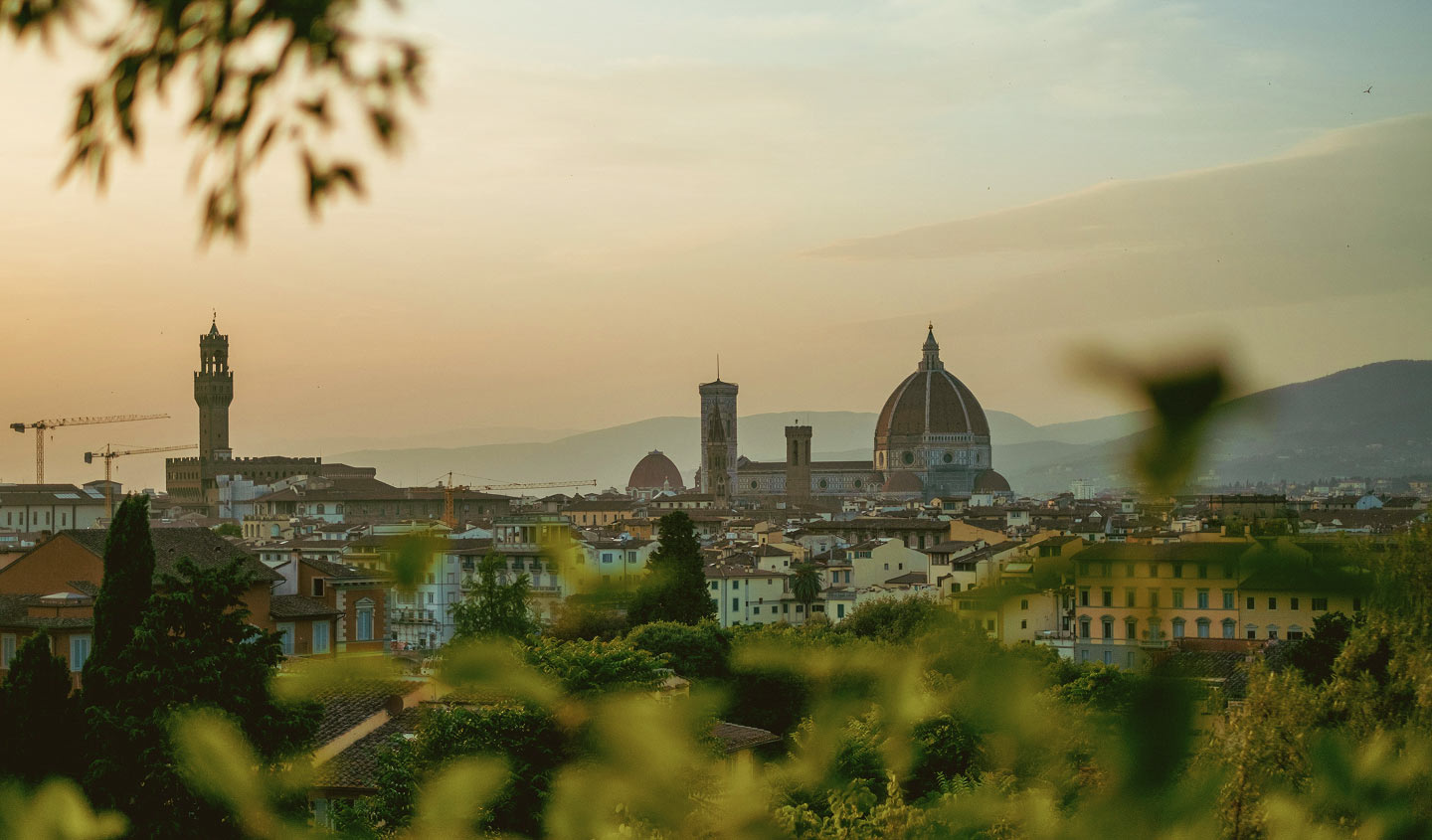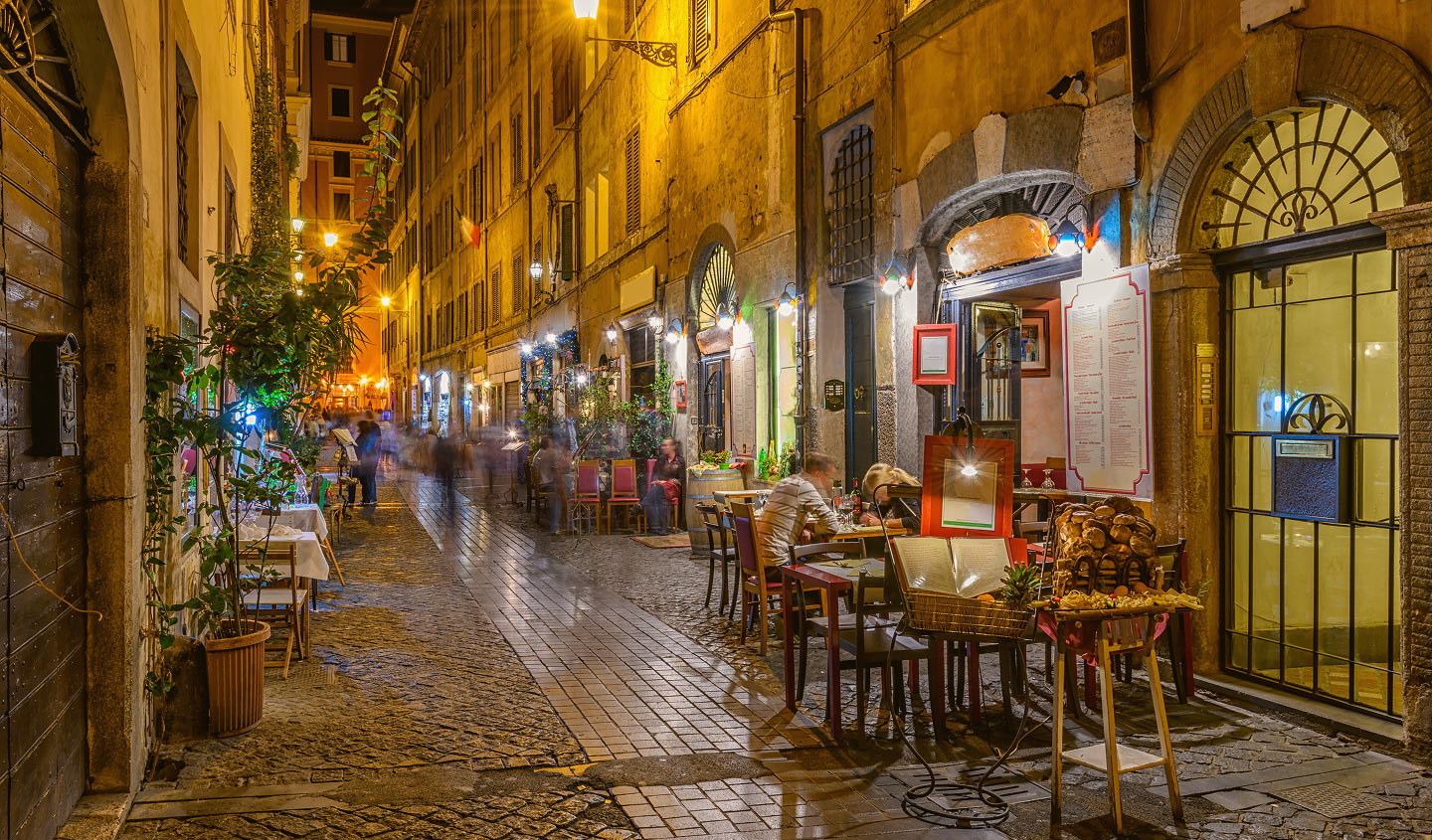
The first time I visited Rome I was 12 years old. I watched July turn into August as the summer heat dripped gelato down my arm and the evening sun turned limestone buildings gold. For two weeks, I called my Nonno’s apartment in Northern Rome home, waving to the stray cats each morning and shouting “Buongiorno” to the local women hanging their clothes over their balconies. Each morning started with a cornetto and hot chocolate and ended with a scoop of bacio gelato. In between were dinners that started well past my bedtime, pizzas all to myself – cut with a fork and knife, of course – and tossing euros behind my back into the Trevi Fountain while wishing for a life filled with more travel.
During those two weeks, I spent every day with my parents’ cousins. I fell into the rhythms of their local ways and found myself sitting around tables where our only common language was food. I communicated the only way I knew how – by turning my pointer finger into my cheek as if unlocking a key, signifying that a meal was che buono. It’s what my grandfather always taught me.
Regardless of the traditions my Italian grandparents held onto or the cultural practices my first-generation parents brought into our home, it was that first trip to Rome that taught me Italians find beauty in tradition – and that tradition lives everywhere. In Rome, beauty starts and ends with food.
Ancient ways
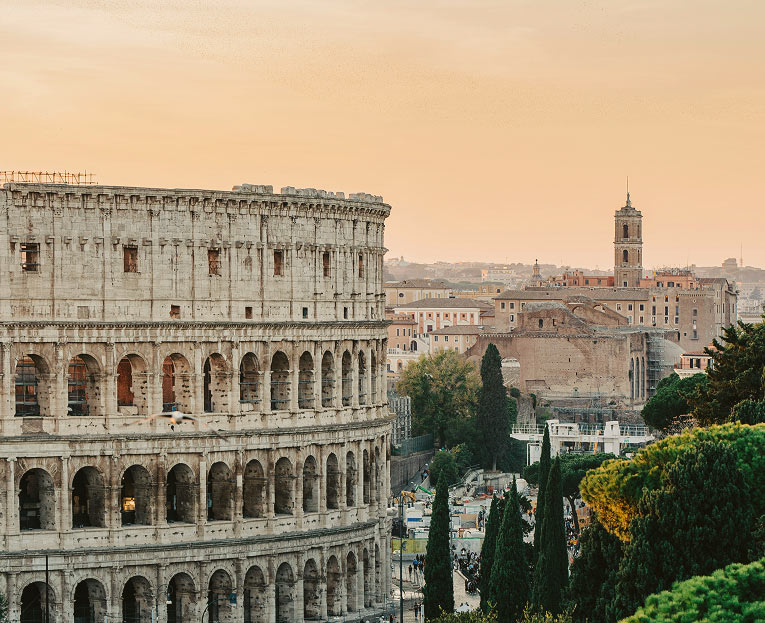
In a city like Rome, it’s impossible not to acknowledge the Romans. They were far from perfect, but they quite literally paved roads that inspired generations with resources and concepts still used today. A civilization of pioneers, they engineered aqueducts, introduced central heating, developed highways and postal systems, and helped shape much of the culinary landscape we know now. They planted vineyards across Europe, cultivated many fruits and vegetables we still eat today, and crafted early renditions of dishes like meatballs and stuffed pasta.
These are things that feel so mundane, we don’t even stop to think about their origins and the marriage between the two. But there’s a restaurant in Rome that feels like the perfect metaphor for all of it.
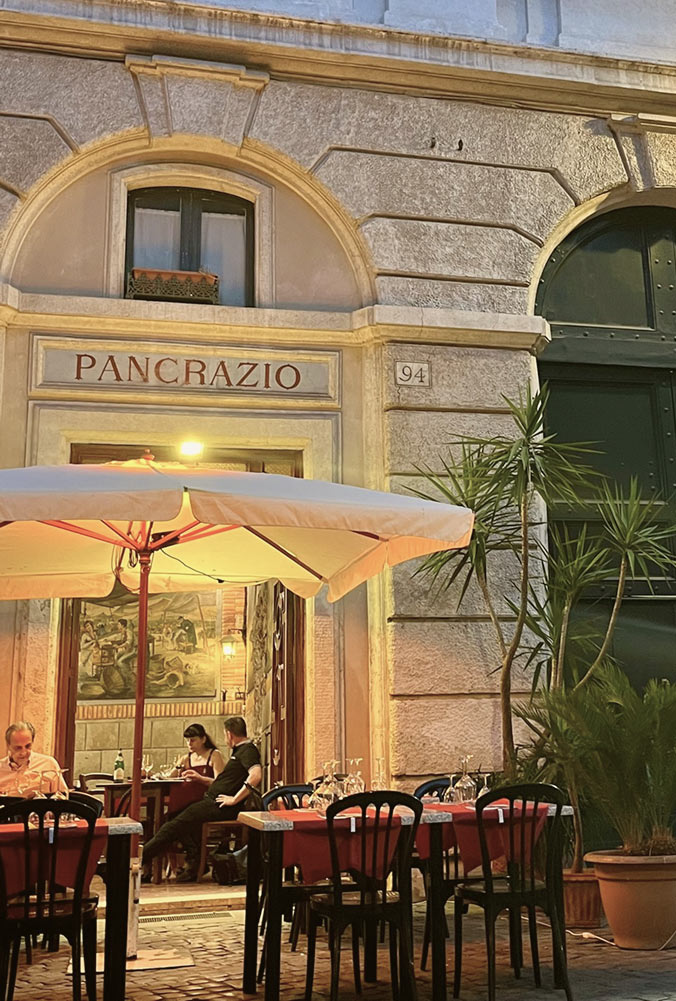
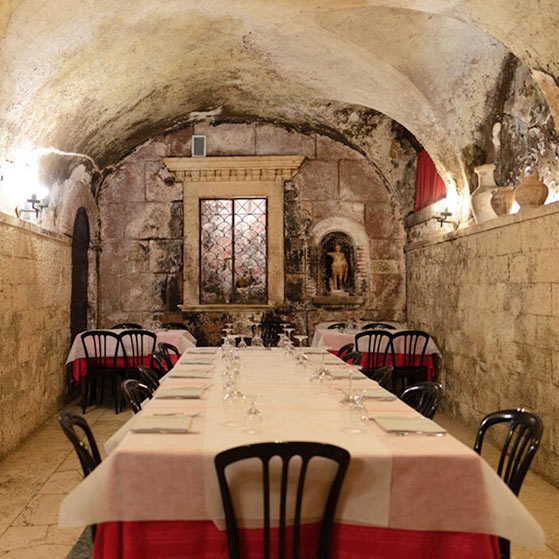
Just steps from Campo de’ Fiori and standing on the ruins of the Theatre of Pompey – the largest theater in Ancient Rome, inaugurated in 55 BC and famously tied to the assassination of Julius Caesar – sits Ristorante Pancrazio. Beneath the restaurant, perfectly intact stone caves reveal grand Roman arches and walls laid thousands of years ago.
It’s a perfect example of what Italy does best. It preserves.
Not just a history of triumph, but traditions. Recipes. Rituals. The comfort of dishes that span generations and somehow feel as timeless as the city itself.
The Romans introduced concepts that modern society would later evolve and refine. Italian cooking works much the same way. Family recipes are passed down and reimagined, with each generation adding its own touch while still preserving the familiar flavors that came before it.
At Pancrazio, the setting itself feels suspended between centuries. The restaurant marks the remnants of an ancient civilization in a city regarded as eternal while serving recipes handed down through four generations. That’s what makes Rome feel so special. Even in one of the world’s most visited cities, there are still corners that feel quietly preserved – places where history isn’t framed behind museum glass, but served alongside a dinner that holds as much meaning in its ingredients as it does the setting.
Mangia, Mangia
For many Italians, on a scale of beauty, cuisine ranks somewhere between the masterpieces of the Renaissance and the country’s great operas. Food here is not just nourishment or routine, but a point of pride, an art form, and perhaps the most passionate expression of culture itself.
Cuisine in Rome feels different than it does in the hills of Tuscany or along the coast of Sicily. Italian food is deeply regional, shaped by geography, tradition, and necessity. In Rome, meals are rooted in simplicity, with recipes built from a handful of ingredients that somehow become unforgettable.
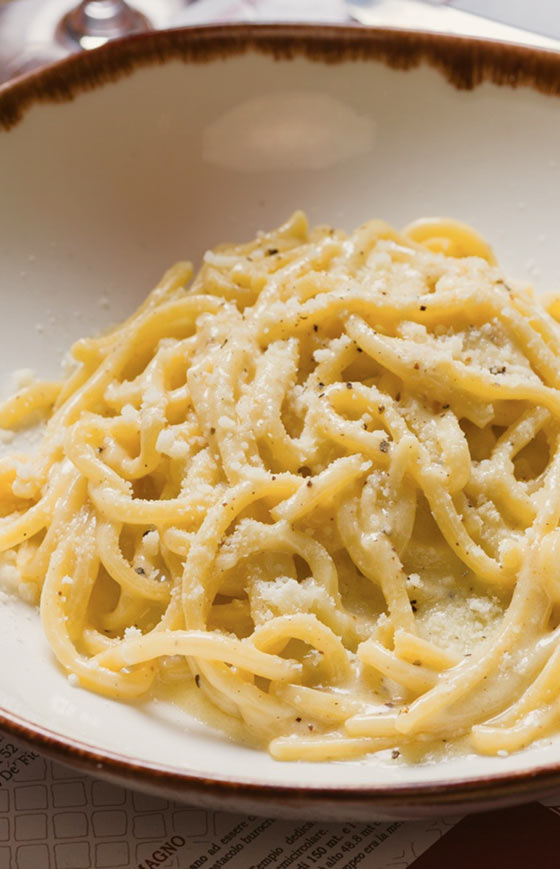
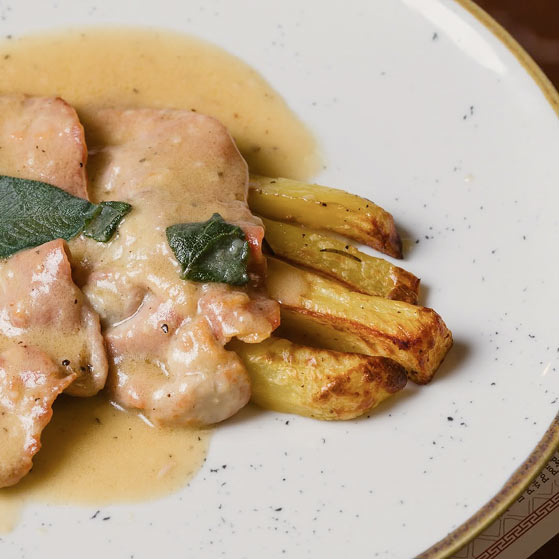
At Ristorante Pancrazio, the menu honors that tradition. Plates of cacio e pepe arrive coated in sharp Pecorino Romano and black pepper, proving that some of the best dishes don’t require excess. Saltimbocca alla romana – tender veal layered with prosciutto and sage – reflects the kind of cooking that has defined Roman cuisine for generations: uncomplicated, comforting, and rich in flavor. Roman-style artichokes soften in olive oil until they nearly melt apart with each bite, while carbonara and amatriciana remain reminders that some of Italy’s most beloved dishes were born not from luxury, but from resourcefulness.
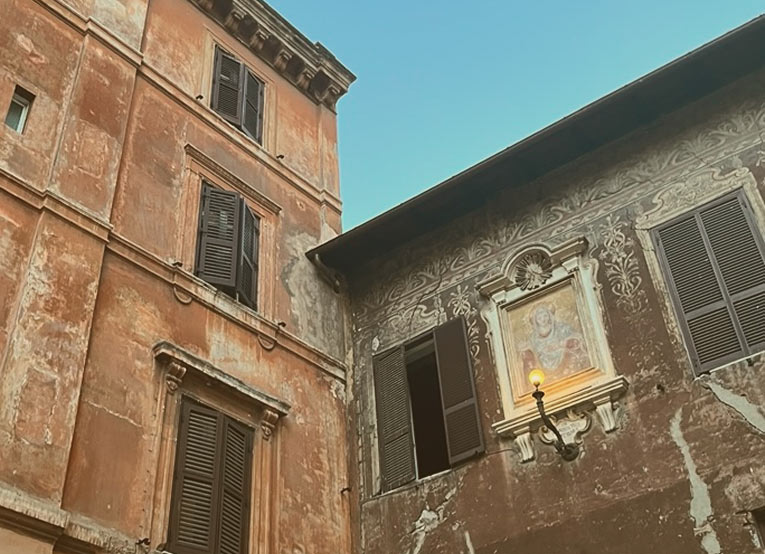
Roman food was never designed to be extravagant. Many of the city’s most iconic dishes were created from ingredients everyday people had access to centuries ago. And yet, much like Rome itself, those recipes have endured. Passed between kitchens and generations, they continue to evolve while still preserving the comfort and familiarity that made them beloved in the first place.
I think that’s why food in Italy tastes different – especially when it comes from a restaurant like Pancrazio with recipes that have been passed down for generations. Yes, the ingredients are fresh and the pasta is handmade, but it also goes deeper than that. Italian food carries memory. It carries history. Every dish feels connected to the people who made it before you.
What’s in the secret sauce?
We all come from different walks of life, shaped by generations of family traditions and cultural influence. No matter where our roots were first planted, most of us can think of a recipe capable of transcending time – one that instantly connects us to the people who came before us.
My grandparents immigrated from Italy as teens and young adults, leaving behind family, familiarity, and the language they knew best. My paternal grandfather, Nonno, spoke in a thick accent and had a talent for creating words that somehow blended Italian and English together. He sipped espresso every morning, frequented the bakery for cannoli, and always made Zuppa di Pesce on Christmas Eve.
My maternal grandparents were Grandma and Grandpa. My grandfather loved wine, anchovies, and chocolate, while my grandmother cooked enough food for twice the number of people sitting at the table. She refilled plates before they were empty and spent entire Saturdays cooking for our family.
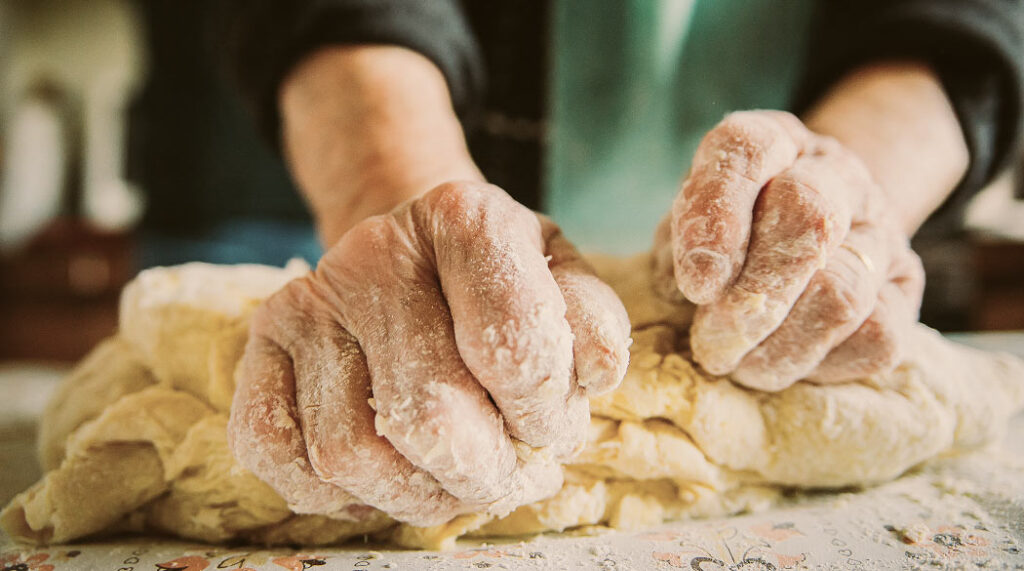
At least in my family, there was never a true recipe to follow. My grandmother never pulled out a cookbook or measured ingredients precisely. She cooked by instinct, by memory, by taste. My mom learned the same way – watching, adjusting, and eventually making recipes her own while still preserving the comfort of what came before her.
That’s what makes generational cooking feel so special. Recipes evolve, but the intention behind them stays the same.
Cooking for someone is one of the greatest acts of love there is. It’s care disguised as comfort. It’s the reason a pot of sauce simmering on the stove can remind you of someone instantly. Restaurants like Pancrazio and family kitchens alike exist because someone loved a recipe enough to keep making it.
My grandparents may no longer be here to chant “Mangia, mangia” from the end of the table or quietly communicate through hand gestures during dinner, but I still feel connected to them through the dishes they loved most.
And somewhere between the passed-down pasta dishes, the crowded tables, and the voices overlapping one another late into the evening, memories become attached to flavor. Long after the meal is over, those are the things that stay with you.
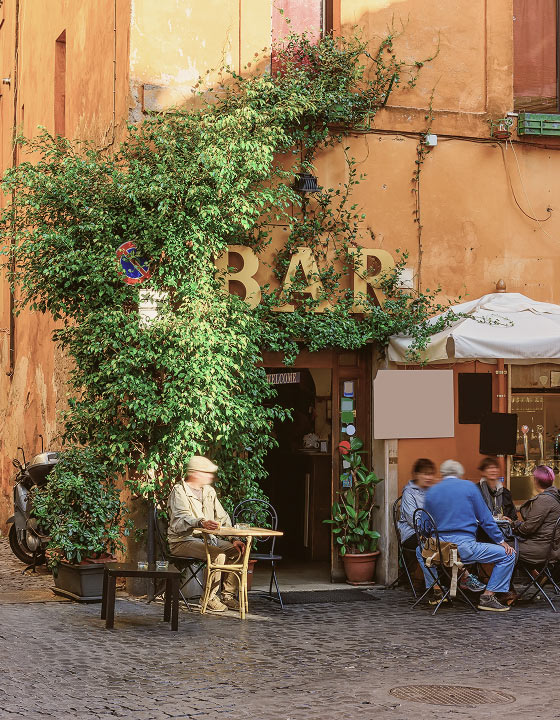
Before the pasta is gone
You’ve most likely heard the phrase la dolce vita, but maybe you’re less familiar with il dolce far niente – the sweetness of doing nothing.
It’s a phrase that defines a way of life in Italy. Slow, intentional, present.
If you’ve traveled through Italy before, then you know meals are rarely rushed. You could wait quite some time before your pasta lands in front of you, but nobody seems particularly bothered by it. Dining here is a ceremony, not a transaction.
Meals are not just for refueling your body, but also refueling connection.
Bottles of wine are passed around the table, hands move rhythmically through conversation, and stories stretch long after plates have been cleared. Someone orders dessert even after insisting they couldn’t eat another bite. Then comes espresso. Then another round of conversation. Somehow, hours pass unnoticed.
In Italy, lingering is part of the experience.
I was raised in a household where we didn’t wait for special occasions to eat well. Sure, certain dishes were reserved for holidays – zeppole on St. Joseph’s Day or Pizza di Pasqua on Easter – but there was never a reason to postpone beauty or connection for another day.
Maybe that’s why dining in Rome feels so romantic.
Not necessarily in a Lady and the Tramp sort of way – unless that’s your thing – but because there’s intimacy in slowing down enough to savor where you are and who you’re with. The candlelit tables spilling into cobblestoned streets. The wine lingering long after dinner ends. The comfort of sharing dishes with people you love and keeping the memory of those who came before you alive through the meals they loved most.
Some traditions survive because they’re rooted in love.