Discovering someplace new is like opening a hidden chapter of the world – where curiosity leads to understanding and the unfamiliar becomes meaningful. When you experience a destination through the eyes of the people who call it home, travel transcends landmarks and itineraries. Blending in allows you to uncover the traditions, stories, and rhythms that define daily life.
As a writer whose office is often out on the road, I try to travel like the experts as they seek meaningful cultural experiences around the globe – from grand cities and countryside villages on and off the beaten track, to alpine hamlets, medieval towns, and idyllic ports steeped in history.
In the travel business, it’s the tour guides who are on the front lines in every destination, comfortably making themselves at home wherever they explore and discovering the essence of each culture by blending in with the locals. How do they accomplish this? This is what they shared with me.
Learn the lingo, just a few phrases will do!
Fluency in the language of the destination you are visiting isn’t required to make a genuine connection. Learning a few basic phrases – hello, please, thank you – signals respect and openness. Even small efforts can open the door to conversations with the locals you meet and shared smiles transcend words.
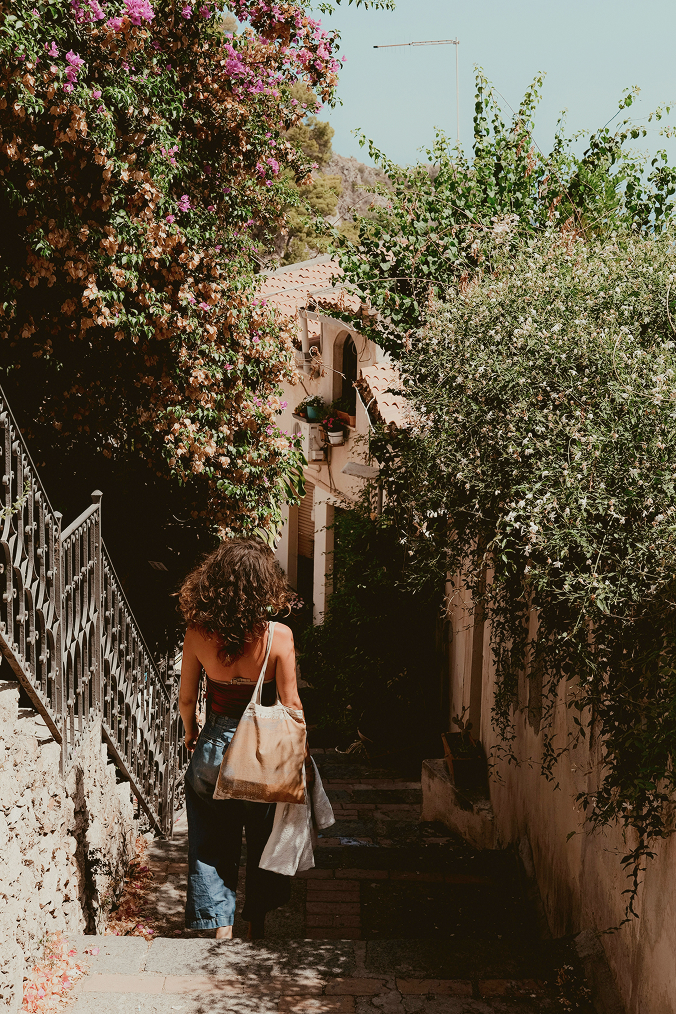
Follow the Local Rhythm
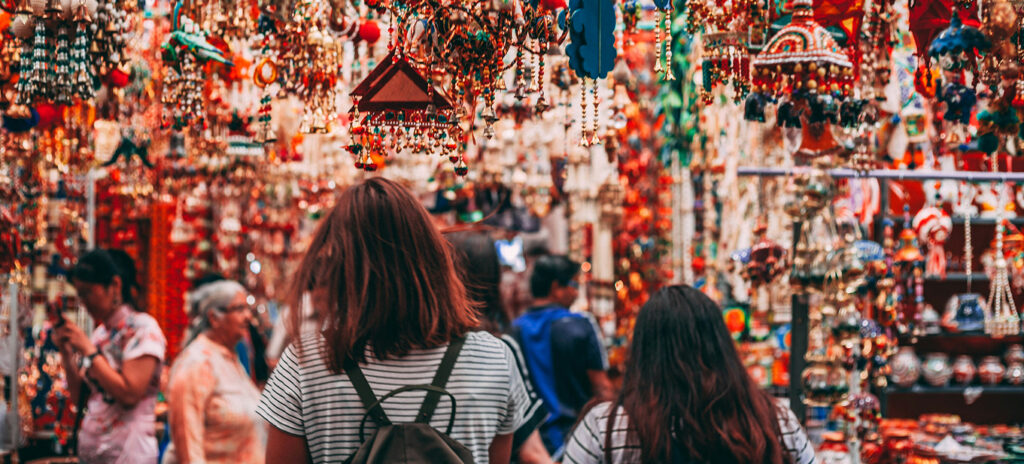
One of the most meaningful ways to blend in is to slow down and observe how locals move through their day. When you follow the local rhythm, you uncover a side of a city or village that feels deeply personal: a favorite café where friends linger over coffee, a bustling morning market filled with fresh flavors and warm greetings, or a quiet square where the day unfolds at an unhurried pace. These moments reveal the spirit of a place far more vividly than any postcard ever could. Instead of rushing from sight to sight, allow time for spontaneity. Sit. Watch. Listen. Let the culture reveal itself to you.
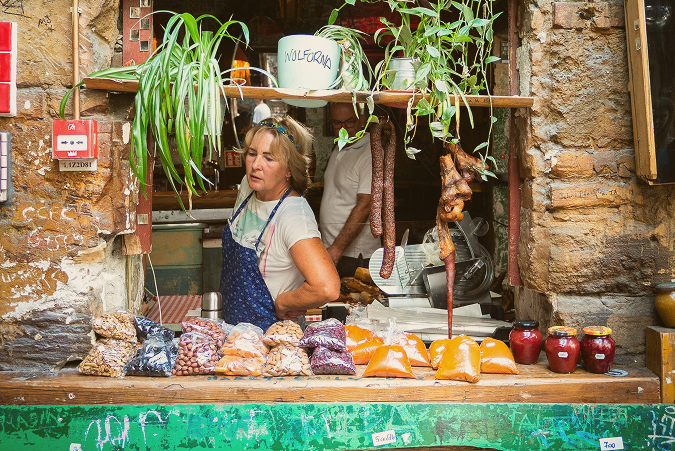
Eat Where the Locals Eat
Food is one of the most immediate ways to connect with a culture. Skip the familiar and seek out neighborhood restaurants, family-run trattorias, or street markets where locals gather. Ask shopkeepers, taxi drivers, artisans, and waitstaff where they like to eat, and follow their lead. Try regional specialties, order local wines, and embrace the customs surrounding mealtimes. Authentic culinary experiences offer insight into traditions, values, and daily life – one bite at a time. Just as important, understand local tipping practices and when to ask for the check. In much of Europe, you’re not rushed from the table; once you sit, the time is yours. Mealtime is meaningful time, where conversation and connection take precedence
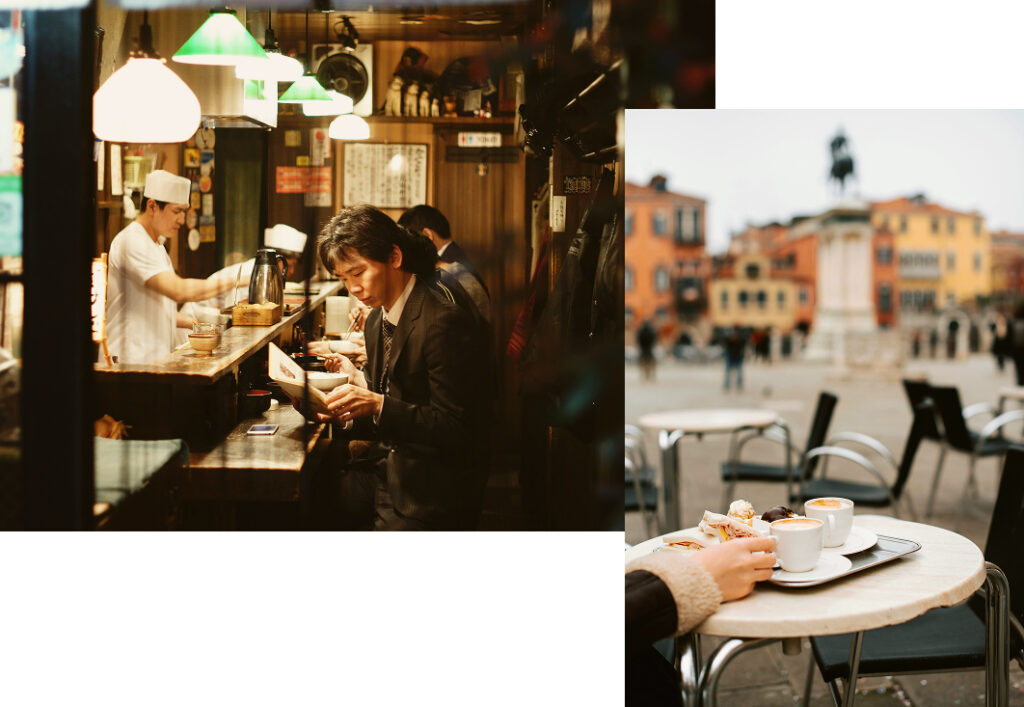
Dress the Part
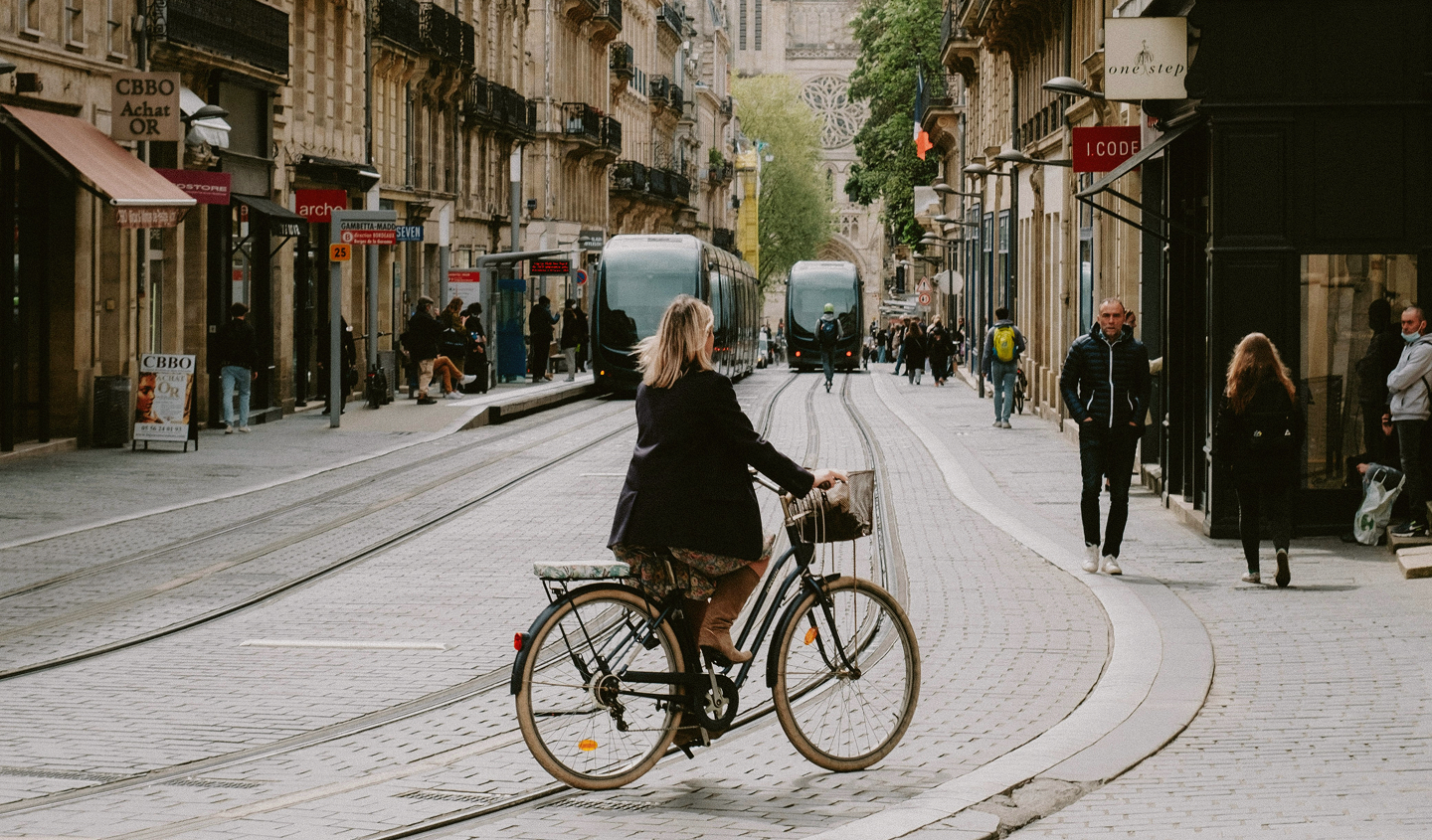
Blending in often starts with how you present yourself. Notice how locals dress and adapt accordingly – whether that means relaxed elegance in a European city or more conservative attire in cultural or religious settings. Locals can often spot where you’re from just by your shoes. Leave sloppy footwear at home in Paris, opt for warm boots in mountain towns, and save heels for less hilly destinations.
Avoid loud branding that marks you as a tourist, and choose clothing suited to the destination. It allows you to move through a place more naturally and comfortably.
A local guide in Greece once told me about a traveler who arrived at a famous palace wearing an elegant red gown, expecting something straight out of a movie – only to discover ancient ruins instead. Knowing what to wear, and doing your homework before you go, can save you from moments you’d rather forget.
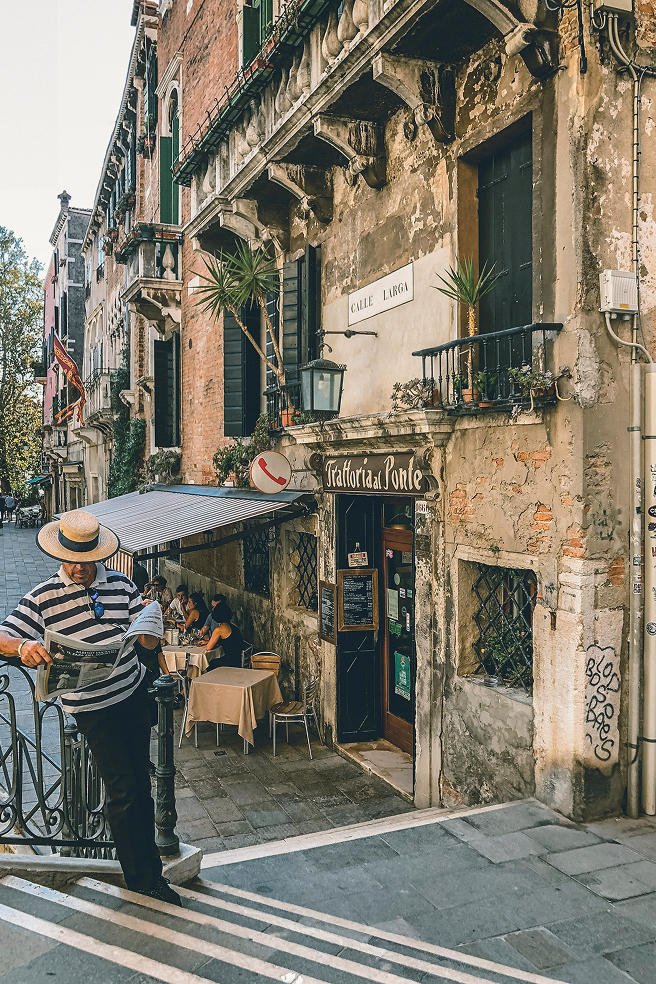
Wander Beyond the Landmarks
While famous landmarks are must-see experiences, the heart of a place often beats just beyond them. Wander into residential neighborhoods, stroll down narrow lanes off the beaten path, and explore areas that don’t appear on every top-ten list. These quieter corners often offer the most genuine interactions.
Stopping into grocery stores and artisan shops reveals a great deal about daily life. Browse food emporiums for locally grown produce, unique packaged goods, and beloved baked treats. Strike up conversations with shopkeepers and artisans – your curiosity is often rewarded with stories, pride, and insight into local traditions.
I’ve visited many shops where handcrafted items reflect generations of tradition. In a seaside village in Greece, a jeweler whose workbench formed part of the shop shared stories of gemstones, Mycenaean artistry, and a family legacy passed down through generations. In Italy, lunch at a tiny trattoria connected me with the chef – a real-life nonna whose passion for pasta making reflected centuries of culinary tradition. With just a few simple ingredients, she transformed dough into something magical, a source of national pride and personal joy.
Be a Thoughtful Guest
Blending in isn’t about pretending to be a local; it’s about being a respectful and curious guest. Ask questions, listen to stories, and remain open to perspectives different from your own. Sit in a corner café for an afternoon coffee, order the local specialty, and don’t rush your time there. Savor every moment.
Imagine joining a family for a home-cooked meal in Tuscany, walking alongside a guide who grew up along the Danube, or learning from artisans who have passed down their craft for generations. One longtime tour director told me he likes to visit barbershops in the destinations he explores. Not only does he hear local conversations, but his haircut reflects the style of the place. The same goes for women who visit a local salon for a wash and blow-dry that mirrors regional trends.
Listen to music drifting from cafés, clubs, and street musicians. Visit beaches, parks, and town squares where daily life unfolds through laughter, conversation, and shared moments. No words are needed to understand the rhythm and soul of a place.
As an avid traveler, I have discovered that the richest journeys balance iconic landmarks with unscripted experiences. While must-see sights provide context, it’s human connection that gives travel its emotional depth. Embrace local perspectives, and you’ll return home with stories that go beyond where you went – you’ll remember how a place felt, and how it felt to be part of it.