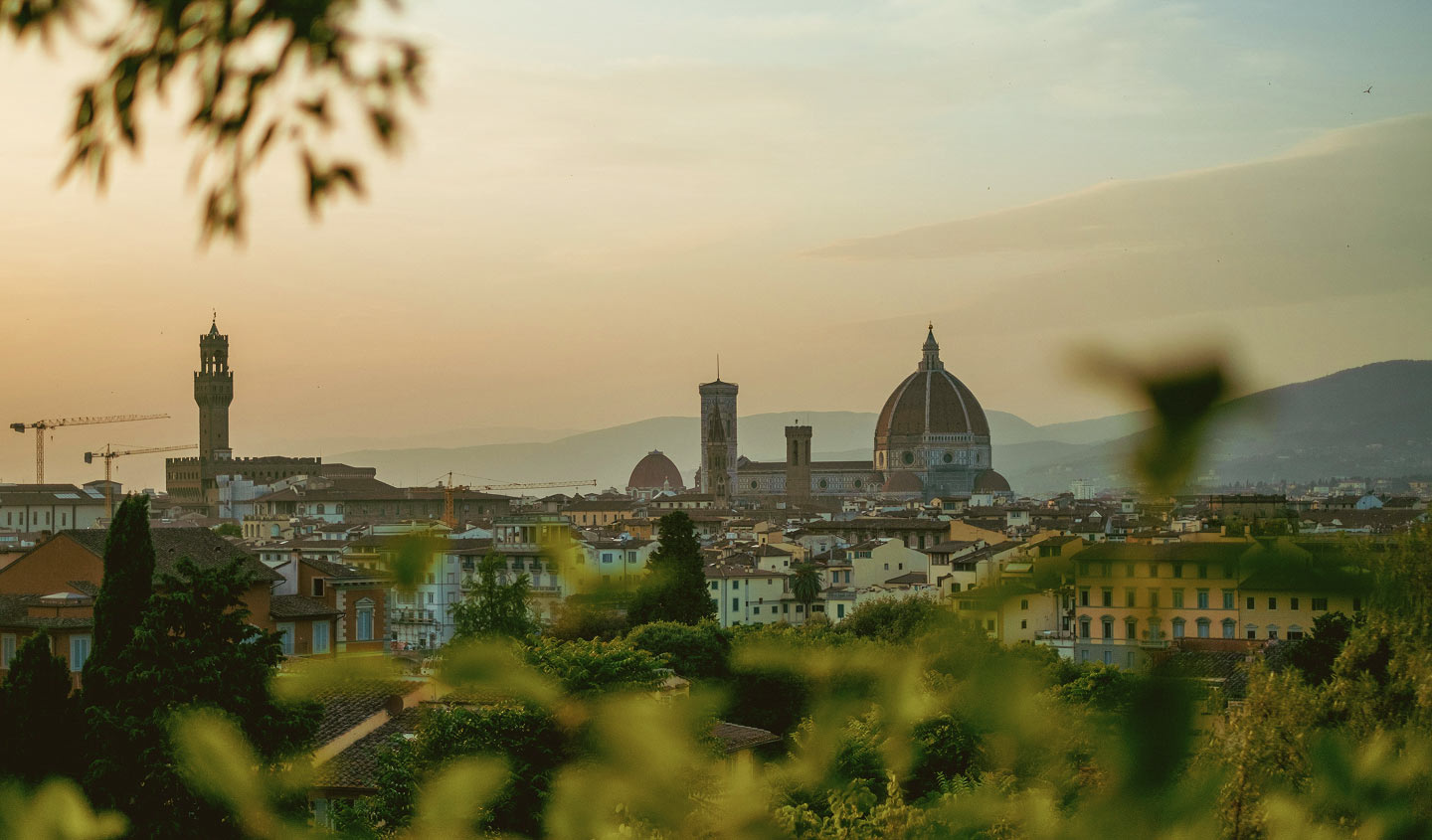
Who let the dogs out?
If you’re in Italy, you can be pretty sure the diamond hunters did.
That’s what they call the specialized, often secretive hunters of truffles throughout Italy, including Piedmont, Umbria and Tuscany. Truffle hunters, known as trifolau, carry on a tradition that blends culinary art, secret society, and woodland adventure. These hunters are famously discreet, guarding their prized foraging locations like family heirlooms.
Why all the secrecy? Because truffles are rare. Wild. And wildly expensive, like natural diamonds are.
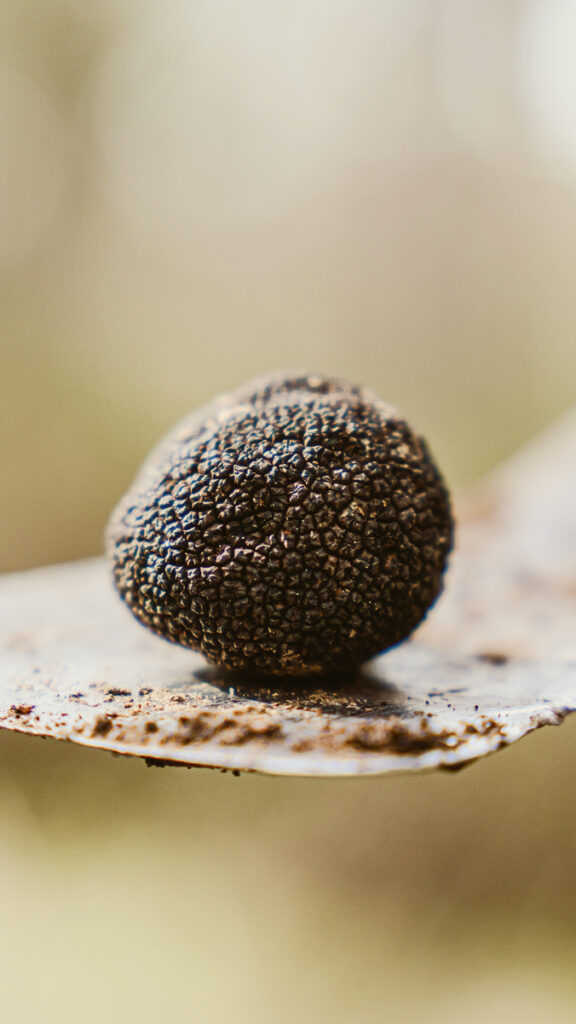
Found in the forested landscapes of Piedmont, the legendary White Truffle of Alba, often dubbed the “white diamond of the kitchen,” is coveted by chefs around the world and can fetch upwards of $4,000+ per pound. Its darker cousin, the Black Périgord truffle, is found in Umbria and Tuscany, commands a respectable $800–$1,500+ per pound.
Haute fungi, they grow underground, forming a delicate symbiotic relationship with the roots of trees like oak and hazelnut. Hidden from inquiring eyes, they grow slowly beneath the forest floor, absorbing the character of their environment for years before they make their debut.
Their flavor? Almost impossible to describe, and even harder to replicate. With over 300 aromatic compounds, truffles create a sensory experience that chefs and foodies obsess over. White truffles are said to have an intense, earthy, and unmistakable flavor profile, often described as a mix of pungent garlic, musk, and shallow, nutty undertones. They are highly aromatic with a delicate, creamy nuance compared to black truffles, commonly described as having a luxurious, savory, and heavenly aroma that lingers.
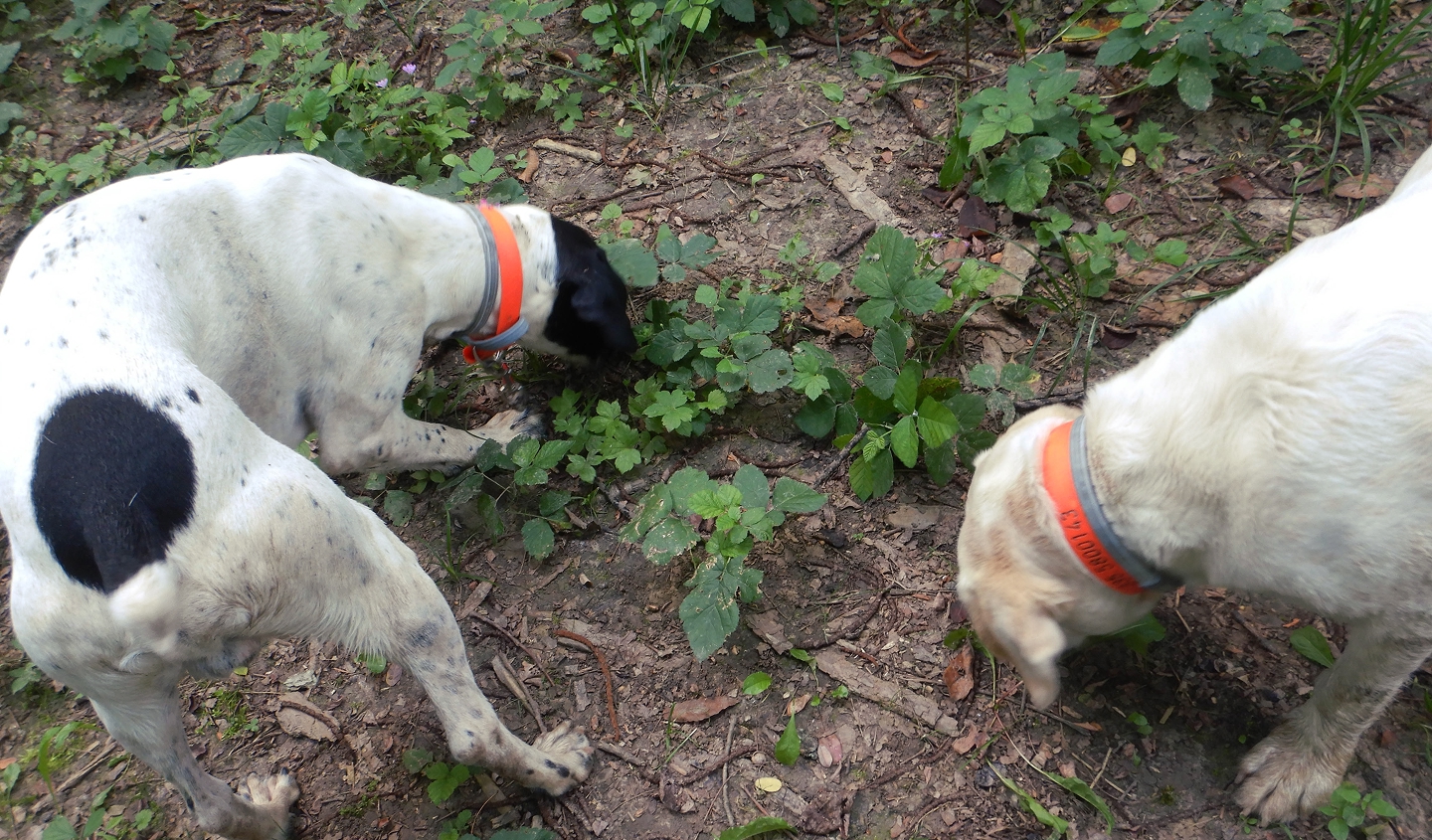
It is those aromas that help the diamond hunters find these culinary treasures by training dogs to hone in on their scent. Forget the pigs they used to hunt with; their appetites made short work of those delectable fungi so today’s Italy has officially gone to the dogs.
The star of the hunt is often the Lagotto Romagnolo, a curly-coated dog breed with a nose that could rival any perfume expert. These dogs are trained through playful scent games, learning to associate the intoxicating aroma of truffles with rewards like treats or toys.
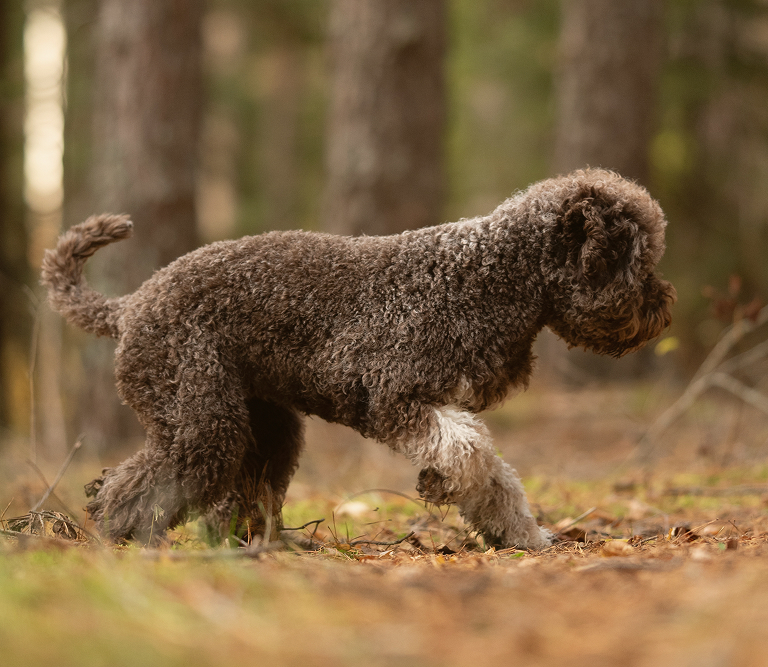
Training starts simple. Sniffing out truffle-scented objects gradually evolves into full-blown treasure hunts in the wild. The result? An eager four-legged partner who can pinpoint the edible diamonds beneath layers of soil and roots.
Truffle hunting isn’t just a daytime activity. Many trifolau head out under the cover of night, when fewer eyes and competitors are around.
Then, it’s just the hunter, the dog, and the hush of the forest.
When the dog signals a find, the hunter carefully digs, using a small, specialized spade called a zappino. Precision is everything. The truffle must be extracted without damage, and often, a portion is left behind to encourage future growth.
No harvesting machines. No shortcuts. Just patience, instinct, and respect for the land and the loot!
Once unearthed, truffles head straight into the kitchen.
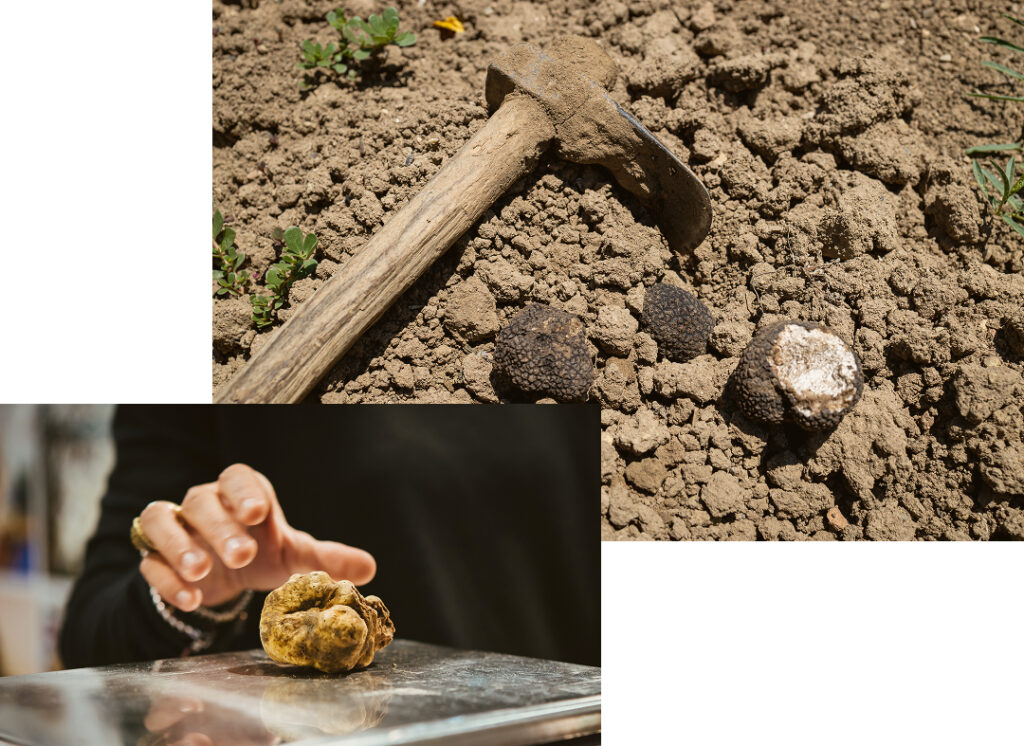
Their intense aroma means a little goes a long way. Shaved fresh over simple dishes, they transform the ordinary into something extraordinarily unforgettable.
Classic truffle dishes in Italy include fresh pasta with butter and shaved white truffle, risotto enriched with black truffle, eggs, scrambled or fried, elevated with delicate truffle slices, thinly sliced truffle over carpaccio, and recipes like the simple truffle pasta included here.
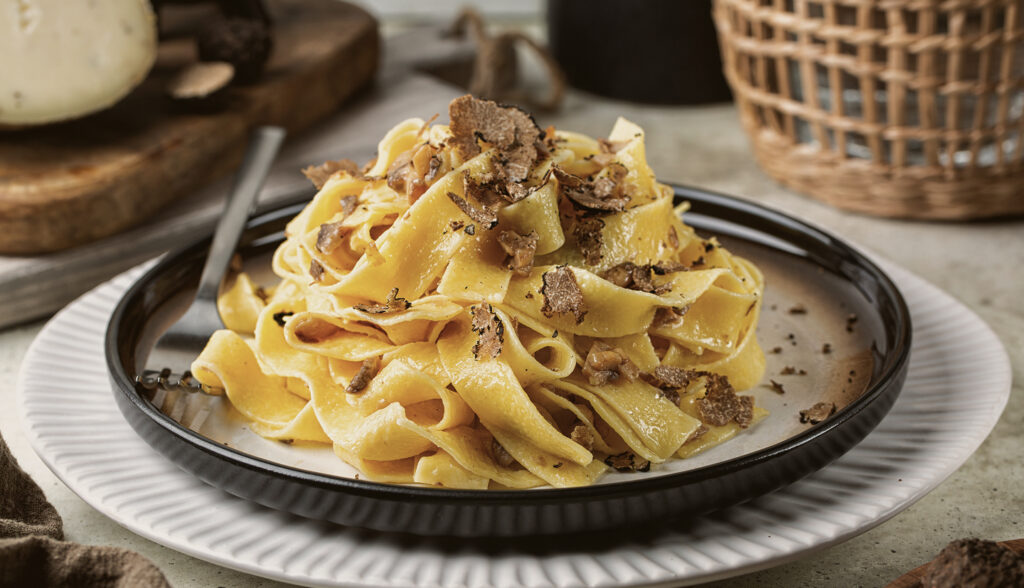
Tagliatelle al Tartufo (Truffle Pasta)
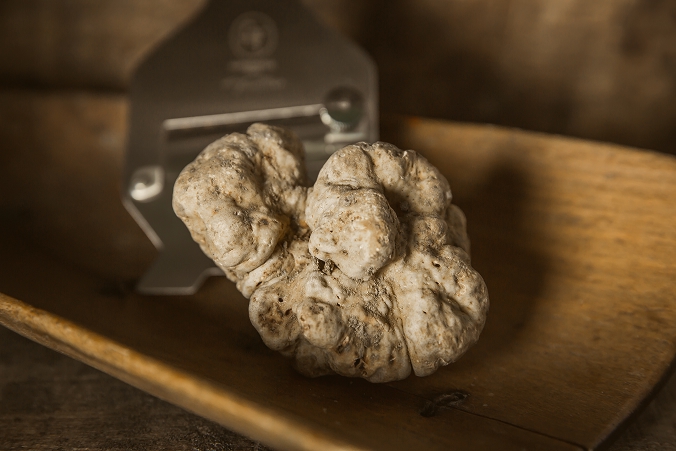

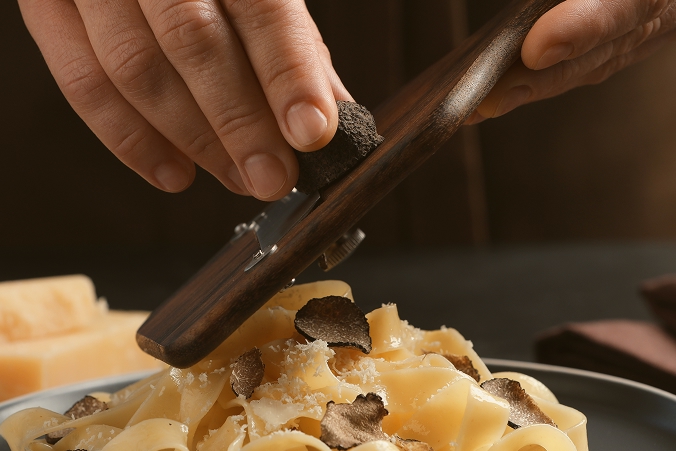

No heavy sauces. No distractions. Just pure, earthy decadence.
But truffle hunting isn’t just about food. It’s a time-honored cultural ritual, deeply rooted in Italian heritage. So much so that calling someone a “truffle dog” is actually a compliment. It means they’ve got a special knack for finding hidden gems.
So, are you a truffle dog?
There’s only one way to find out.
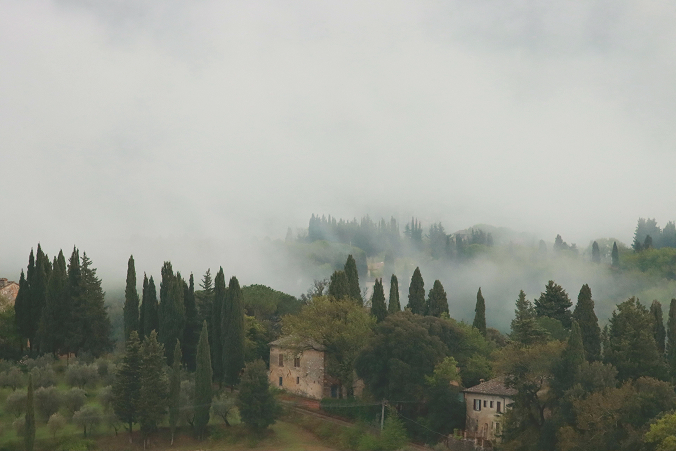
Picture yourself walking through a misty Italian forest in Italy, on a cruise to Rome, Sicily & Malta or during a week in Florence & the Tuscan Hills, a clever dog leading the way, a truffle hunter at your side, the thrill of discovery just beneath your feet. A hands-on culinary experience that’s part mystery, part nature, and later, pure indulgence.
Are you game?